
Green Tea vs Coffee: Caffeine Content & Health Benefits Compared
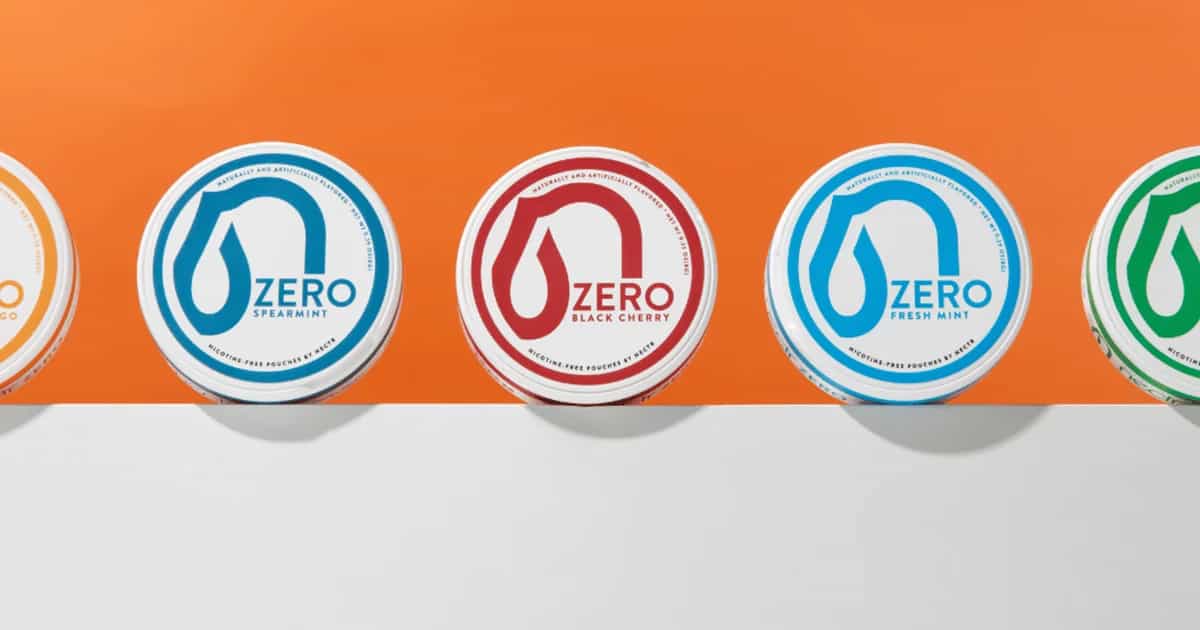
Green tea contains 25–50 mg of caffeine per 8 oz cup, roughly one-third to one-half the caffeine in a standard cup of coffee (80–100 mg). Both beverages offer significant health benefits backed by decades of research, but they work through different mechanisms. For people who want caffeine without brewing anything, caffeine pouches deliver a precise 50 mg dose — equivalent to one strong cup of green tea — in about 5 minutes with zero preparation.
Key Takeaways
Energy Pouches
View All →


- Green tea has 25–50 mg caffeine per cup; coffee has 80–100 mg per cup.
- Green tea is less acidic than coffee (pH 7–10 vs pH 4.5–5.5), making it gentler on the stomach.
- Coffee has stronger research support for physical performance and liver health.
- Green tea's catechins provide cardiovascular and metabolic benefits that coffee cannot match.
- Caffeine pouches bridge the gap — 50 mg caffeine with no acidity and no brewing.
Caffeine Comparison: Green Tea vs Black Tea vs Coffee vs Pouches
| Metric | Green Tea (8 oz) | Black Tea (8 oz) | Drip Coffee (8 oz) | Caffeine Pouch |
|---|---|---|---|---|
| Caffeine (mg) | 25–50 | 40–70 | 80–100 | 50 |
| Antioxidants | High (EGCG, catechins) | Moderate (theaflavins) | Moderate (chlorogenic acid) | N/A |
| Prep Time | 3–5 min (steep) | 3–5 min (steep) | 5–10 min (brew) | 2 seconds |
| Cost per Serving | $0.25–$1.00 | $0.15–$0.50 | $0.50–$1.50 | ~$1.00 |
| Acidity (pH) | 7–10 (neutral–alkaline) | 4.9–5.5 (mildly acidic) | 4.5–5.5 (acidic) | Neutral |
Why Caffeine Content Varies So Much
The caffeine in your cup depends on several factors that most people never think about:
- Water temperature: Hotter water extracts more caffeine. Green tea is typically brewed at 160–180°F vs coffee at 195–205°F.
- Steep/brew time: A 3-minute green tea steep extracts less caffeine than a 5-minute steep. Similarly, a 4-minute French press extracts more than a 25-second espresso pull.
- Leaf/bean quality: Shade-grown green teas (like gyokuro) can contain up to 75 mg caffeine per cup, approaching coffee levels.
- Serving size: A "cup" varies wildly. A 12 oz Starbucks tall has more caffeine than an 8 oz home brew simply due to volume.
This variability is one reason people are switching to caffeine pouches — every pouch delivers exactly 50 mg, regardless of water temperature, timing, or barista skill.
Health Benefits Compared
Green Tea's Strengths
- Cardiovascular health: Meta-analyses show regular green tea consumption reduces LDL cholesterol by 5–7 mg/dL and lowers blood pressure.
- Metabolic support: Catechins combined with caffeine increase fat oxidation by 10–16% during exercise.
- Cancer research: EGCG has shown anti-proliferative effects in cell studies, though human evidence is still emerging.
- Gut health: Green tea's low acidity and polyphenol content support healthy gut bacteria.
Coffee's Strengths
- Physical performance: Coffee's higher caffeine content makes it the preferred pre-workout choice, improving endurance by 2–4% on average.
- Liver health: Drinking 3–4 cups daily is associated with up to 80% lower risk of liver cirrhosis.
- Neuroprotection: Regular coffee drinkers show 30–60% lower risk of Parkinson's disease in long-term studies.
- Mood: Caffeine at coffee-level doses (100+ mg) has well-documented acute effects on mood and motivation.
Acidity and Gut Health
This is where green tea has a decisive advantage. Coffee's pH of 4.5–5.5 can aggravate acid reflux, gastritis, and irritable bowel syndrome. Green tea sits at pH 7–10 — essentially neutral to mildly alkaline — making it suitable for people with sensitive stomachs.
If acidity is your primary concern but you still want meaningful caffeine, a caffeine pouch bypasses the digestive system entirely. Sublingual absorption through the gum lining means zero stomach acid, zero reflux, zero digestive irritation.
When to Choose Green Tea vs Coffee
- Choose green tea if you want gentle caffeine, high antioxidants, low acidity, and enjoy a calming ritual.
- Choose coffee if you want maximum alertness, love bold flavor, and have no issues with acidity.
- Choose a caffeine pouch if you want the caffeine equivalent of strong green tea with zero prep, zero acidity, and total portability.
Nectr Energy Pouches deliver exactly 50 mg caffeine — no kettle, no steep timer, no cleanup. Want cognitive support too? Try Focus Pouches with Cognizin®. Build a bundle and save up to 35% on your first order, then 25%.
Frequently Asked Questions
How much caffeine is in green tea vs coffee?
An 8 oz cup of green tea contains 25–50 mg of caffeine, while an 8 oz cup of drip coffee contains 80–100 mg. That means coffee has roughly 2–3 times more caffeine per serving than green tea, depending on preparation method and steep time.
Is green tea better than coffee for anxiety?
Generally yes. Green tea's lower caffeine content means less stimulation of the sympathetic nervous system. Additionally, green tea contains compounds that promote alpha brain wave activity, which is associated with relaxed alertness rather than the fight-or-flight response that high caffeine doses can trigger.
Can green tea replace coffee?
It can, but expect a transition period of 5–10 days as your body adjusts to lower caffeine intake. You may experience mild withdrawal symptoms like headaches or fatigue. Some people ease the transition by drinking 2 cups of green tea to approximate one cup of coffee, or by supplementing with a caffeine pouch during the switch.
How many cups of green tea equal one coffee?
Roughly 2–3 cups of green tea equal one cup of drip coffee in terms of caffeine content. If you brew your green tea at higher temperatures for longer, you will extract more caffeine and need fewer cups to match coffee's effect.
Which is better for weight loss — green tea or coffee?
Both support weight management, but through different mechanisms. Coffee's higher caffeine content provides a stronger acute metabolic boost. Green tea's catechins (particularly EGCG) specifically enhance fat oxidation during exercise. Research suggests the combination of catechins and caffeine in green tea may have a slight edge for sustained fat loss, though the effect size is modest.