
Does Nicotine Cause High Blood Pressure? Cardiovascular Risks
Does nicotine cause high blood pressure? Yes, acutely. Nicotine stimulates the release of adrenaline (epinephrine) and norepinephrine, which constrict blood vessels and increase heart rate. This produces an immediate and measurable spike in blood pressure — typically 5-10 mmHg systolic and 5-7 mmHg diastolic within minutes of use. Whether chronic nicotine use causes sustained hypertension is more nuanced, but the repeated acute spikes contribute to long-term cardiovascular strain and may accelerate arterial damage over time.
This article is for informational purposes only and is not medical advice. If you have high blood pressure or heart concerns, consult your healthcare provider.
Key Takeaways
- Nicotine acutely raises blood pressure by 5-10 mmHg systolic and heart rate by 10-20 BPM within minutes of use.
- The effect is dose-dependent — higher nicotine strength produces larger cardiovascular spikes.
- Chronic nicotine use may contribute to sustained hypertension through repeated vascular stress and endothelial damage.
- Blood pressure begins normalizing within 20 minutes of the last nicotine exposure and reaches baseline within 1-4 weeks of quitting.
- Caffeine pouches (30-50mg) have minimal cardiovascular impact compared to nicotine — Nectr Energy and Nectr Zero are safer alternatives.
How Nicotine Raises Blood Pressure
When nicotine enters the bloodstream (through the oral mucosa with pouches, or through the lungs with smoking), it triggers a cascade of cardiovascular effects:
- Sympathetic nervous system activation: Nicotine stimulates the adrenal glands to release epinephrine (adrenaline) and norepinephrine. These "fight-or-flight" hormones prepare the body for immediate physical action.
- Vasoconstriction: Blood vessels narrow, increasing resistance to blood flow. This directly raises blood pressure.
- Increased heart rate: Heart rate rises by 10-20 BPM to pump blood through the narrowed vessels. Combined with the higher resistance, this produces elevated blood pressure.
- Increased cardiac output: The heart pumps more blood per minute, further contributing to the pressure increase.
This acute response begins within 1-5 minutes of nicotine absorption, peaks at 15-30 minutes, and lasts for approximately 30-60 minutes per dose. With nicotine pouches, which release nicotine over 20-30 minutes, the cardiovascular effect is sustained for the duration of pouch use plus approximately 30 minutes after removal.
Acute vs. Chronic Blood Pressure Effects
| Timeframe | Blood Pressure Effect | Mechanism |
|---|---|---|
| Acute (minutes) | +5-10 mmHg systolic, +5-7 mmHg diastolic | Vasoconstriction + increased heart rate from sympathetic activation |
| Short-term (hours) | Returns to baseline 30-60 min after last dose | Nicotine clears (half-life ~1-2 hrs), sympathetic tone normalizes |
| Chronic (months-years) | May contribute to sustained hypertension | Repeated vascular stress, endothelial dysfunction, arterial stiffening |
| After quitting (weeks) | Normalizes within 1-4 weeks | Vascular tone recovers, sympathetic hyperactivation resolves |
The Chronic Debate
Whether nicotine alone causes sustained (chronic) hypertension is debated. The evidence is mixed:
- Supporting evidence: A 2016 study in the Journal of the American Heart Association found that smokeless tobacco users had higher resting blood pressure compared to non-users, even after controlling for BMI and lifestyle factors.
- Complicating evidence: Swedish snus studies have not consistently shown increased hypertension rates among long-term users. A 2018 review in BMC Public Health found inconsistent associations between snus use and hypertension.
- Mechanistic concern: Even if resting blood pressure is not permanently elevated, the repeated daily spikes from chronic nicotine use cause cumulative endothelial damage — the inner lining of blood vessels that maintains their flexibility and health.
The most conservative interpretation: chronic nicotine use may not cause hypertension in the traditional diagnostic sense (sustained BP > 130/80), but it accelerates cardiovascular aging through repeated vascular stress.
Nicotine vs. Caffeine: Cardiovascular Impact Comparison
| Factor | Nicotine (6mg pouch) | Caffeine (50mg — Nectr Energy) | Caffeine (200mg — large coffee) |
|---|---|---|---|
| Blood pressure spike | +5-10 / +5-7 mmHg | +1-3 / +1-2 mmHg | +3-8 / +3-5 mmHg |
| Heart rate increase | +10-20 BPM | +2-5 BPM | +5-10 BPM |
| Duration of CV effect | 30-60 minutes | 60-90 minutes (milder) | 2-4 hours |
| Vasoconstriction | Significant | Minimal at moderate doses | Mild |
| Endothelial damage | Yes (chronic use) | No evidence at normal doses | No evidence at normal doses |
| Tolerance development | Partial — effects persist | Yes — regular users show reduced CV response | Yes |
| Long-term CV risk | Elevated | Neutral to protective | Neutral to protective |
The key difference: caffeine at moderate doses (50-200mg) produces much smaller cardiovascular effects than nicotine, and regular caffeine users develop tolerance that further reduces these effects. Additionally, multiple large-scale studies have found that moderate coffee consumption is associated with neutral or slightly reduced cardiovascular risk — the opposite of nicotine.
Who Is Most at Risk?
Nicotine's cardiovascular effects are more dangerous for certain populations:
- People with existing hypertension: Nicotine adds acute spikes on top of already elevated baseline blood pressure
- People with coronary artery disease: Vasoconstriction can reduce blood flow through already narrowed arteries
- Diabetics: Already at elevated cardiovascular risk; nicotine compounds the problem
- Pregnant women: Nicotine constricts placental blood vessels, reducing fetal blood flow
- People over 50: Age-related arterial stiffness means the cardiovascular system is less resilient to repeated nicotine-induced stress
How Quitting Nicotine Improves Blood Pressure
The cardiovascular recovery after quitting nicotine is one of the fastest and most measurable health benefits:
- Within 20 minutes: Blood pressure and heart rate begin returning to baseline from the last nicotine dose.
- Within 24 hours: Acute vasoconstriction resolves. Blood vessels begin relaxing to normal diameter.
- Within 1-2 weeks: Resting blood pressure begins to measurably decrease. Heart rate variability improves (a marker of cardiovascular health).
- Within 1-3 months: Endothelial function improves. Blood vessels become more flexible and responsive.
- Within 1 year: Cardiovascular risk decreases significantly. The excess risk attributable to nicotine use is largely resolved for people who quit before age 40.
Safer Alternatives for People Concerned About Blood Pressure
If you use nicotine pouches and are concerned about blood pressure, here are your options ordered from lowest to highest cardiovascular impact:
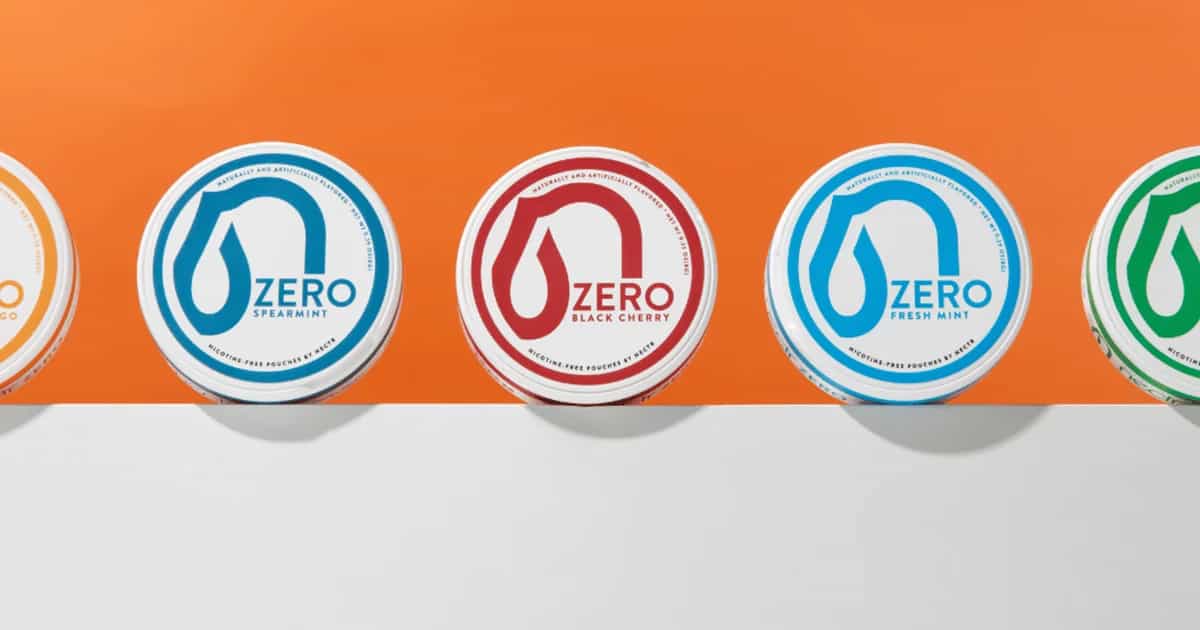
- Nectr Zero pouches — Zero stimulants of any kind. No cardiovascular impact. The safest option for people with hypertension or heart conditions who want an oral habit.
- Nectr Focus pouches — 30mg caffeine + 62.5mg Cognizin® Citicoline. Very mild cardiovascular effect at this low caffeine dose. Cognizin® has no known cardiovascular side effects.
- Nectr Energy pouches — 50mg caffeine. Approximately half a cup of coffee. Minimal blood pressure impact for regular caffeine users, and caffeine tolerance develops quickly.
All Nectr pouches are nicotine-free, tobacco-free, and manufactured in GMP-certified facilities in Sweden. For the best value, use the Bundle Builder to mix and match types — 10% off at 10+ cans, 15% off at 15+ cans.
Frequently Asked Questions
How much does nicotine raise blood pressure?
Nicotine typically raises systolic blood pressure by 5-10 mmHg and diastolic by 5-7 mmHg within minutes of use. Heart rate increases by 10-20 BPM simultaneously. The effect is dose-dependent — higher nicotine concentrations produce larger spikes. These acute effects last approximately 30-60 minutes per dose and return to baseline between uses.
Can nicotine pouches cause a heart attack?
While nicotine pouches have not been directly linked to heart attacks in published studies, nicotine's cardiovascular effects (vasoconstriction, increased heart rate, elevated blood pressure) could theoretically trigger cardiac events in people with pre-existing coronary artery disease. If you have a heart condition, consult your cardiologist before using any nicotine product.
Does quitting nicotine lower blood pressure?
Yes. Blood pressure begins normalizing within 20 minutes of the last nicotine dose. Measurable resting blood pressure reductions are typically observed within 1-2 weeks of quitting. Full cardiovascular recovery, including improved endothelial function and reduced arterial stiffness, occurs over 1-3 months.
Is caffeine safer than nicotine for blood pressure?
At typical consumer doses, yes. A 50mg caffeine pouch raises blood pressure by approximately 1-3 mmHg systolic — significantly less than nicotine's 5-10 mmHg. Additionally, regular caffeine users develop tolerance to its cardiovascular effects, while nicotine's effects persist despite chronic use. Large-scale epidemiological studies have found no increased cardiovascular risk from moderate caffeine consumption.
Should I avoid caffeine pouches if I have high blood pressure?
Moderate caffeine intake (200-300mg/day) is generally considered safe for people with controlled hypertension, according to the American Heart Association. A single Nectr Energy pouch at 50mg is well within this range. However, if your blood pressure is uncontrolled or you are on medication, consult your physician. Nectr Zero pouches are the safest choice for anyone with cardiovascular concerns.