
Does Nicotine Cause Headaches? Triggers, Withdrawal and Relief
Yes, nicotine causes headaches through two distinct mechanisms: during active use, nicotine constricts blood vessels and raises blood pressure, which can trigger tension-type and vascular headaches. During withdrawal, the sudden absence of nicotine causes rebound vasodilation — blood vessels expand rapidly — which triggers headaches similar to migraines. This creates a frustrating cycle where both using and stopping nicotine can cause head pain, making it one of the most common complaints among nicotine pouch users.
This article is for informational purposes only and is not medical advice. Consult your healthcare provider for personalized guidance on headaches.
Key Takeaways
- Nicotine constricts blood vessels and raises blood pressure, triggering headaches during active use — especially with higher doses.
- Nicotine withdrawal causes rebound vasodilation (rapid blood vessel expansion), triggering headaches that peak at 24-72 hours.
- Withdrawal headaches typically resolve within 1-2 weeks but can persist for up to 4 weeks in heavy users.
- Caffeine pouches do not cause the same vasoconstriction-rebound cycle because caffeine's vascular effects are much milder at moderate doses.
- Hydration, gradual tapering, and moderate caffeine intake can all help manage nicotine-related headaches.
How Nicotine Triggers Headaches During Use
Many people experience headaches while actively using nicotine products. The mechanisms are well-documented in medical literature:
Vasoconstriction
Nicotine activates the sympathetic nervous system, triggering widespread vasoconstriction (narrowing of blood vessels). In the cerebral vasculature, this constriction reduces blood flow to the brain. While healthy brains compensate through autoregulation, repeated vasoconstriction can trigger headaches — particularly in people predisposed to migraines or tension headaches.
Blood Pressure Elevation
Each dose of nicotine temporarily raises blood pressure by 5-10 mmHg. For someone using 10-15 pouches per day, this means their blood pressure is elevated for most of their waking hours. Sustained elevated blood pressure is a well-known headache trigger, particularly for hypertension-related headaches that present as a dull, pressing sensation across the forehead.
Dose-Dependent Effects
Higher nicotine doses cause more severe vasoconstriction and blood pressure elevation. Users who recently increased their nicotine strength or frequency often report new or worsening headaches. The relationship is dose-dependent:
| Nicotine Dose Pattern | Headache Risk | Typical Headache Type |
|---|---|---|
| Low dose, occasional (1-3 pouches/day, 2-4mg) | Low | Mild tension headache if any |
| Moderate dose, regular (5-8 pouches/day, 4-6mg) | Moderate | Tension headaches, especially late in day |
| High dose, frequent (10+ pouches/day, 6mg+) | High | Vascular headaches, blood pressure headaches, withdrawal headaches between doses |
| New user or recently increased dose | High | Acute nicotine-induced headache (nausea may accompany) |
How Nicotine Withdrawal Triggers Headaches
Withdrawal headaches are often more severe and longer-lasting than headaches from active use. When someone who regularly uses nicotine suddenly stops or significantly reduces their intake, the vascular system rebounds.
The Rebound Vasodilation Mechanism
After chronic exposure to nicotine-induced vasoconstriction, your blood vessels adapt by becoming more sensitive to vasodilatory signals. When nicotine is removed, these sensitized vessels dilate rapidly and excessively — a phenomenon called rebound vasodilation. This rapid expansion of blood vessels in the brain triggers headaches through the same mechanism that causes migraines: activation of pain receptors in the meninges (brain coverings) as blood vessels swell.
Withdrawal Headache Timeline
| Timeline | Headache Severity | What Is Happening |
|---|---|---|
| Hours 4-12 | Mild, building | Nicotine levels dropping, early vasodilation beginning |
| Hours 12-24 | Moderate | Significant rebound vasodilation, blood pressure fluctuating |
| Days 1-3 | Peak intensity | Maximum vascular rebound, cortisol elevation, muscle tension from stress |
| Days 4-7 | Moderate, decreasing | Vascular tone beginning to normalize |
| Weeks 1-2 | Mild, intermittent | Blood pressure stabilizing, most vascular adaptation resolved |
| Week 2+ | Resolved for most people | Vascular system normalized, no longer dependent on nicotine for tone |
Nicotine Headaches vs Other Common Headaches
Nicotine-related headaches can mimic other headache types, which makes diagnosis tricky. Here is how to tell the difference:
| Headache Type | Pattern | Key Distinguishing Feature |
|---|---|---|
| Nicotine use headache | Occurs within 30-60 min of using a pouch, especially high-strength | Correlates directly with nicotine timing and dose |
| Nicotine withdrawal headache | Occurs 4-12 hours after last dose, builds over hours | Relieved within 15-20 min by using nicotine (do not recommend — breaks withdrawal) |
| Tension headache | Band-like pressure around forehead, often end of day | Linked to stress, posture, screen time — not nicotine timing |
| Migraine | Throbbing, often one-sided, may include aura, nausea, light sensitivity | Longer episodes (4-72 hours), specific triggers beyond nicotine |
| Caffeine withdrawal headache | Dull, bilateral, builds over 12-24 hours without caffeine | Milder than nicotine withdrawal, resolves in 2-9 days |
Do Caffeine Pouches Cause Headaches?
At moderate doses, caffeine does not cause the same headache cycle as nicotine. In fact, caffeine is a common ingredient in headache medications (like Excedrin) because of its vasoconstrictive properties at therapeutic doses. The difference is one of degree and mechanism:
- Caffeine's vasoconstriction is mild compared to nicotine's — it modestly narrows cerebral blood vessels, which is actually helpful for headaches caused by vasodilation.
- Caffeine withdrawal headaches exist but are significantly milder than nicotine withdrawal headaches and resolve in 2-9 days (vs 1-4 weeks for nicotine).
- The 50mg in Nectr Energy pouches is a moderate dose — equivalent to about half a cup of coffee — that provides alertness without the aggressive vasoconstriction that triggers headaches.
For people switching from nicotine pouches, caffeine pouches can actually help with withdrawal headaches during the transition period, since moderate caffeine has mild analgesic (pain-relieving) effects.
How to Manage Nicotine-Related Headaches
During Active Nicotine Use
- Reduce your dose: Step down to a lower nicotine strength. The headache-triggering effects are dose-dependent.
- Space out your pouches: Allowing 60-90 minutes between pouches gives your blood vessels time to partially recover.
- Hydrate aggressively: Dehydration amplifies nicotine-related headaches. Aim for at least 8 glasses of water daily.
- Monitor blood pressure: If nicotine is raising your blood pressure, headaches may be a warning sign. Consult your healthcare provider.
During Nicotine Withdrawal
- Taper gradually: Stepping down nicotine strength every 1-2 weeks reduces the severity of rebound vasodilation headaches at each stage.
- Use moderate caffeine: 50-100mg of caffeine (one Nectr Energy pouch or a small coffee) can provide mild analgesic effects and partial vasoconstriction relief during withdrawal.
- Over-the-counter pain relievers: Ibuprofen (200-400mg) or acetaminophen (500mg) can manage withdrawal headaches. Do not exceed recommended doses or use for more than 10 consecutive days without medical guidance.
- Cold compress: Applying a cold compress to the forehead or back of the neck constricts superficial blood vessels and can provide immediate relief from vasodilation headaches.
- Exercise: Moderate aerobic exercise releases endorphins (natural painkillers) and helps regulate vascular tone. Even a 20-minute walk can reduce headache severity.
Breaking the Cycle: Switching to Nicotine-Free Pouches
If nicotine is causing you regular headaches — either from use or between-dose withdrawal — the most effective long-term solution is to eliminate nicotine from the equation entirely. The transition period may involve headaches (withdrawal), but they are temporary and typically resolve within 1-2 weeks.
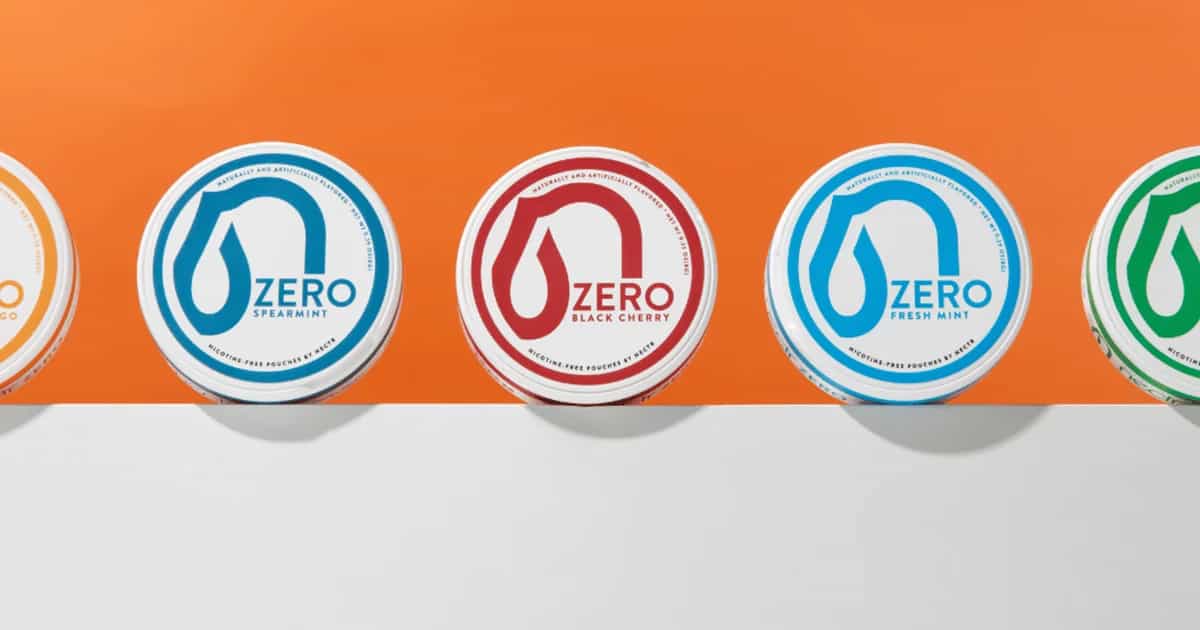
Nectr Energy pouches provide 50mg of caffeine — enough for alertness and mild headache relief — without any nicotine. For a completely stimulant-free option, Nectr Zero pouches maintain the oral habit with zero active ingredients that affect your vascular system.
The Bottom Line
Nicotine causes headaches from both sides: active use triggers vasoconstriction and blood pressure headaches, while withdrawal triggers rebound vasodilation headaches. This double-edged mechanism traps many users in a cycle where they feel they cannot use nicotine or stop. The way out is gradual tapering to reduce withdrawal severity, eventually transitioning to nicotine-free alternatives. The headaches are temporary — the relief of breaking free from the cycle is permanent.
Frequently Asked Questions
Why does nicotine give me a headache even though it used to help?
This is classic nicotine tolerance. When you first started, nicotine's vasoconstriction was mild relative to your baseline. Over time, your body adapted to chronic vasoconstriction by sensitizing vasodilatory pathways. Now, nicotine must work harder (higher doses) to achieve the same effect, and the between-dose rebound is stronger. The headaches you experience between pouches are actually mini-withdrawal episodes.
Do nicotine pouches cause worse headaches than cigarettes?
Not necessarily worse, but different in pattern. Nicotine pouches deliver nicotine more consistently and often at higher concentrations per dose than cigarettes. This can create sharper peaks and valleys in blood nicotine levels, which some users find triggers more frequent headaches. However, pouches eliminate carbon monoxide (from combustion), which is itself a headache trigger in cigarettes.
How long do nicotine withdrawal headaches last?
For most people, nicotine withdrawal headaches peak at days 1-3 and substantially improve by days 7-10. By week 2, most users report only mild, occasional headaches. Heavy, long-term users (6mg+, 10+ pouches/day for years) may experience headaches for up to 4 weeks. Gradual tapering significantly reduces both the severity and duration of withdrawal headaches.
Can caffeine pouches help with nicotine withdrawal headaches?
Yes. Moderate caffeine (50-100mg) has mild analgesic properties and causes gentle vasoconstriction that can partially offset the rebound vasodilation causing withdrawal headaches. One Nectr Energy pouch (50mg caffeine) can provide relief without introducing any nicotine. Caffeine is actually a common ingredient in over-the-counter headache medications for this reason.
Should I see a doctor about nicotine headaches?
See a healthcare provider if: your headaches are severe and unresponsive to over-the-counter treatment, they are accompanied by vision changes, numbness, or confusion, they persist beyond 4 weeks after quitting nicotine, or they are accompanied by significantly elevated blood pressure. These could indicate a more serious underlying condition that needs evaluation beyond nicotine cessation.