
Does Nicotine Cause Anxiety? What Research Says
Yes, nicotine causes anxiety — but the relationship is more complex than a simple yes or no. Nicotine initially triggers a dopamine release that temporarily reduces anxiety, but chronic use fundamentally alters your brain's stress-response system. Over time, your baseline anxiety increases, and you need nicotine just to feel normal. Research published in the British Journal of Psychiatry found that quitting nicotine actually reduces anxiety to levels below what users experienced even while actively using nicotine products.
This article is for informational purposes only and is not medical advice. Consult your healthcare provider for personalized guidance.
Key Takeaways
- Nicotine temporarily suppresses anxiety by triggering dopamine release, creating an illusion of stress relief.
- Chronic nicotine use upregulates stress hormones (cortisol, norepinephrine), raising your baseline anxiety over time.
- Withdrawal anxiety peaks 48-72 hours after your last dose and typically subsides within 2-4 weeks.
- Studies show that people who quit nicotine experience lower anxiety levels than when they were using it.
- Nicotine-free pouches can help break the cycle by maintaining the oral habit without feeding the chemical dependency.
How Nicotine Creates the Anxiety Cycle
Understanding why nicotine feels like it helps anxiety — while actually making it worse — requires looking at what happens in your brain on a neurochemical level.
Stage 1: The Initial Relief
When nicotine binds to nicotinic acetylcholine receptors in your brain, it triggers a cascade of neurotransmitter releases: dopamine (pleasure), norepinephrine (alertness), and serotonin (mood stabilization). This flood of feel-good chemicals creates genuine, measurable anxiety reduction — but it lasts only 20-40 minutes.
Stage 2: Neuroadaptation
Your brain responds to repeated nicotine exposure by upregulating nicotinic receptors — literally building more docking stations. According to research from the National Institute on Drug Abuse (NIDA), chronic nicotine users develop 50-100% more nicotinic receptors than non-users. These extra receptors demand more nicotine to feel satisfied, and when they go unfilled, they generate anxiety signals.
Stage 3: Elevated Baseline Anxiety
With more receptors demanding nicotine, your brain's natural stress-management system weakens. The hypothalamic-pituitary-adrenal (HPA) axis — your body's central stress response — becomes dysregulated. Cortisol levels rise. Your resting anxiety is now higher than it was before you ever used nicotine. You need the substance just to get back to what feels like normal.
Stage 4: Withdrawal Amplification
Between doses, all those extra receptors sit empty, creating a neurochemical deficit that your brain interprets as danger. This is why nicotine withdrawal feels like intense anxiety — it is your overstimulated stress system screaming for its chemical crutch.
What Does the Research Say?
The evidence linking nicotine to increased anxiety is extensive and consistent across multiple research methodologies:
| Study | Finding | Source |
|---|---|---|
| McDermott et al. (2013) | Quitting smoking led to reduced anxiety, depression, and stress with improved mood | British Medical Journal |
| Moylan et al. (2012) | Nicotine use associated with higher rates of anxiety disorders, with dose-response relationship | Depression and Anxiety |
| Taylor et al. (2014) | People who quit nicotine had equal or greater anxiety reduction compared to those on anti-anxiety medication | British Journal of Psychiatry |
| NIDA Research (2020) | Chronic nicotine exposure dysregulates the HPA axis, increasing cortisol output at rest | National Institute on Drug Abuse |
The pattern is clear across studies: nicotine creates the anxiety it claims to solve.
Nicotine Pouch Users and Anxiety: Is It Different?
Nicotine pouch users often believe their product is "safer" for mental health because it eliminates combustion and many of the toxic chemicals in cigarettes. While that is true for physical health outcomes, the anxiety mechanism is identical. Nicotine is nicotine regardless of the delivery system. Whether you absorb it through your lungs, gums, or skin, the same neuroadaptation occurs.
In fact, some nicotine pouches deliver higher nicotine concentrations more rapidly through the oral mucosa than cigarettes, which can accelerate the dependency cycle. If you are using 6mg or higher nicotine pouches multiple times daily, the anxiety-amplification effect is likely significant.
Nicotine Withdrawal Anxiety: What to Expect
If you decide to quit nicotine, withdrawal anxiety is the most common and challenging symptom. Here is the typical timeline:
| Timeline | Anxiety Level | What Is Happening |
|---|---|---|
| Hours 0-24 | Moderate, rising | Nicotine levels drop, empty receptors begin signaling |
| Hours 24-72 | Peak intensity | Maximum receptor vacancy, cortisol spikes, fight-or-flight activation |
| Days 4-7 | High but decreasing | Brain begins downregulating excess receptors |
| Weeks 2-3 | Moderate, manageable | HPA axis begins recalibrating, natural neurotransmitter production recovering |
| Week 4+ | Below pre-quit baseline | Neuroadaptation reversing, many report lower anxiety than while using nicotine |
The critical insight: withdrawal anxiety is temporary, but the anxiety caused by ongoing nicotine use is permanent (as long as you keep using). Pushing through 2-4 weeks of withdrawal leads to genuinely lower anxiety long-term.
How to Manage Nicotine-Related Anxiety
Whether you are currently using nicotine and want to reduce anxiety, or you are quitting and dealing with withdrawal anxiety, these evidence-based strategies help:
1. Replace the Oral Habit Without Nicotine
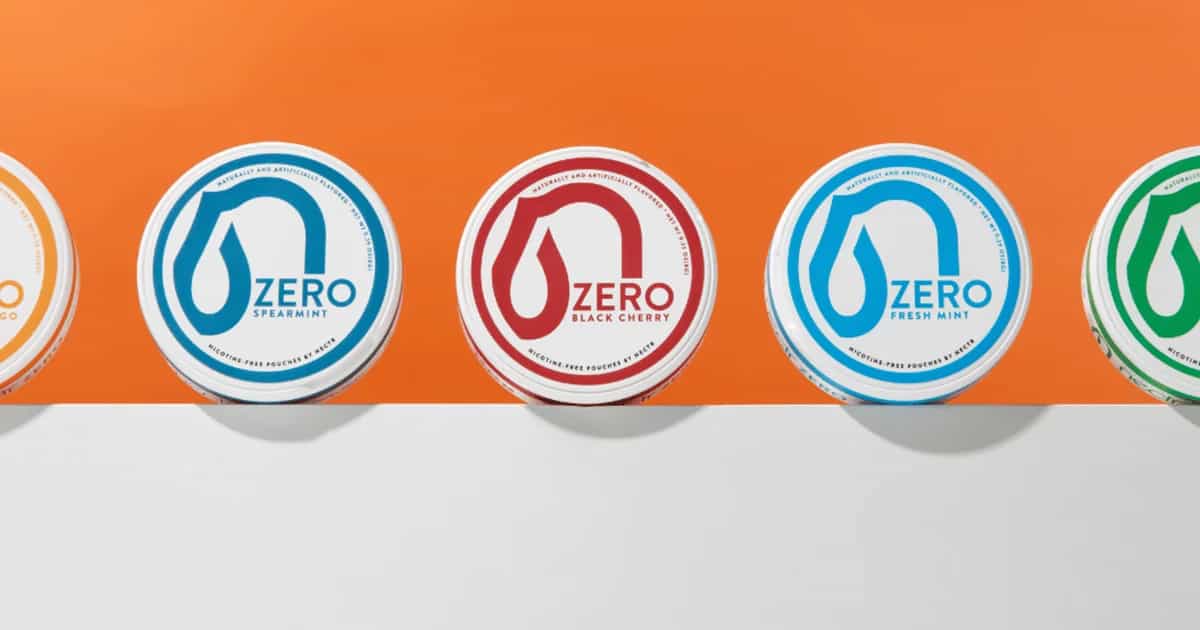
A significant portion of pouch-related anxiety relief comes from the oral fixation itself — having something in your lip, the ritual, the routine. Nectr Zero pouches deliver that same oral experience with zero nicotine, zero caffeine, and zero stimulants. You keep the habit while eliminating the chemical that drives the anxiety cycle.
2. Consider Gradual Tapering
Rather than going cold turkey, step down your nicotine strength every 1-2 weeks. Moving from 6mg to 4mg to 2mg to nicotine-free significantly reduces withdrawal anxiety at each stage. Check out our complete guide to quitting nicotine pouches for a detailed tapering schedule.
3. Exercise Regularly
Physical activity is one of the most effective tools for managing withdrawal anxiety. A 2019 meta-analysis in Health Psychology Review found that even 20 minutes of moderate exercise reduced nicotine cravings and withdrawal anxiety by 25-30%. Exercise naturally boosts the same neurotransmitters (dopamine, serotonin) that nicotine artificially stimulates.
4. Support Cognitive Function
Anxiety and cognitive fog often go hand-in-hand during nicotine withdrawal. Supporting your brain's natural neurotransmitter production can help. Cognizin® Citicoline, found in Nectr Focus pouches, supports the production of acetylcholine — the same neurotransmitter system that nicotine hijacks — through a non-addictive, natural pathway.
5. Practice Stress Management
Deep breathing exercises, meditation, and progressive muscle relaxation directly counter the physiological stress response that drives nicotine withdrawal anxiety. Even 5-10 minutes of focused breathing can measurably reduce cortisol levels.
Nicotine-Free Alternatives That Do Not Cause Anxiety
If you enjoy the pouch format but want to avoid the anxiety cycle entirely, nicotine-free options exist that provide functional benefits without neuroadaptation or withdrawal:
| Product | Active Ingredient | Effect on Anxiety | Addictive? |
|---|---|---|---|
| Nectr Energy Pouches | 50mg caffeine | Mild alertness; moderate caffeine does not increase anxiety at this dose for most people | Low physical dependence, no psychological addiction |
| Nectr Focus Pouches | 30mg caffeine + 62.5mg Cognizin® Citicoline | Cognitive support without stimulant-driven anxiety; Cognizin® supports natural neurotransmitter balance | No |
| Nectr Zero Pouches | None (0mg everything) | No physiological effect on anxiety; purely oral satisfaction | No |
All Nectr pouches are manufactured in a GMP-certified facility in Sweden with transparent ingredients and no nicotine, tobacco, or addictive substances.
The Bottom Line
Nicotine does cause anxiety — not immediately, but through a progressive neurochemical process that raises your baseline stress levels while making you dependent on the substance for temporary relief. The research consistently shows that quitting nicotine leads to lower anxiety than continuing to use it. If you are ready to break the cycle, tapering with nicotine-free pouches gives you a practical, evidence-backed path forward.
Frequently Asked Questions
Does nicotine directly cause anxiety or just make it worse?
Both. Nicotine directly increases baseline anxiety over time by dysregulating your brain's stress-response system (the HPA axis) and upregulating nicotinic receptors. It also makes pre-existing anxiety worse by creating a dependency cycle where you need the substance to reach even your old baseline. Studies show that people who never used nicotine have lower anxiety levels than active users, even accounting for other factors.
How long does anxiety last after quitting nicotine?
Withdrawal anxiety typically peaks at 48-72 hours after your last nicotine dose and gradually decreases over 2-4 weeks. Most people report that their anxiety is significantly lower than pre-quit levels by week 4-6. A small percentage experience prolonged anxiety for up to 3 months, particularly if they had anxiety disorders before starting nicotine.
Can caffeine pouches cause the same anxiety as nicotine pouches?
No. While excessive caffeine (over 400mg/day) can increase anxiety in sensitive individuals, moderate caffeine doses like the 50mg in Nectr Energy pouches do not cause the same neuroadaptive anxiety cycle as nicotine. Caffeine does not upregulate stress-response receptors in the same way, and withdrawal is far milder and shorter-lasting.
Do nicotine-free pouches help with nicotine anxiety?
Yes. Research on oral substitution therapy shows that maintaining the physical habit (having a pouch in your lip) while eliminating nicotine helps reduce anxiety during the quitting process. Nectr Zero pouches provide this oral satisfaction without any stimulants, helping you break the chemical dependency while keeping the ritual that provides comfort.
Is nicotine pouch anxiety different from cigarette anxiety?
The anxiety mechanism is identical because nicotine is the active compound in both. However, nicotine pouches often deliver more consistent and sometimes higher concentrations of nicotine through the oral mucosa, which can lead to faster receptor upregulation. The absence of combustion-related chemicals in pouches does not change the nicotine-anxiety relationship.