
Does Caffeine Cause Anxiety? The Science Explained
Yes, caffeine can cause or worsen anxiety, particularly in doses above 200 mg or in individuals with a genetic sensitivity to caffeine. Caffeine blocks adenosine receptors in the brain (which normally promote calm and sleepiness), and at higher doses stimulates the release of adrenaline — the same hormone triggered during a fight-or-flight response. This is why too much coffee can produce symptoms that are nearly identical to a panic attack: racing heart, sweating, nervousness, and a sense of dread. However, low-dose caffeine (30-50 mg) is generally well-tolerated and rarely triggers anxiety even in sensitive individuals.
Key Takeaways
Energy Pouches
View All →


- Caffeine can trigger anxiety symptoms, especially at doses above 200 mg (roughly 2+ cups of coffee).
- Caffeine-induced anxiety is recognized in the DSM-5 as a clinical condition ("Caffeine-Induced Anxiety Disorder").
- Genetics play a major role: people with the slow-metabolizer variant of the CYP1A2 gene are more susceptible to caffeine-related anxiety.
- Low-dose caffeine (30-50 mg) improves focus and alertness without triggering anxiety in most people.
- Pairing caffeine with nootropics like Cognizin® Citicoline can support calm focus rather than jittery stimulation.
How Caffeine Triggers Anxiety
Caffeine works by blocking adenosine receptors in your brain. Adenosine is a neurotransmitter that accumulates during waking hours and promotes relaxation and sleepiness. When caffeine blocks these receptors, your brain stays in an alert, "on" state.
At moderate to high doses (200+ mg), caffeine also stimulates the adrenal glands to release cortisol and adrenaline. These stress hormones increase heart rate, constrict blood vessels, and activate the sympathetic nervous system — the same physiological response your body has to danger. For people with anxiety disorders or heightened stress sensitivity, this artificial stress response can feel indistinguishable from an anxiety or panic attack.
The Diagnostic and Statistical Manual of Mental Disorders (DSM-5) recognizes caffeine-induced anxiety disorder as a clinical condition, defined as "prominent anxiety symptoms that develop during or soon after caffeine use and are in excess of symptoms usually associated with caffeine use."
How Much Caffeine Causes Anxiety?
| Dose Range | Typical Effect | Anxiety Risk |
|---|---|---|
| 30-50 mg (1 caffeine pouch) | Mild alertness, improved focus | Very low |
| 95-200 mg (1-2 cups coffee) | Moderate energy, faster reaction times | Low to moderate (higher in sensitive individuals) |
| 200-400 mg (2-4 cups coffee) | Strong stimulation, potential jitters | Moderate to high |
| 400+ mg (4+ cups or energy drink + coffee) | Overstimulation, restlessness, insomnia | High — anxiety, panic-like symptoms common |
The key insight: it is the dose, not the molecule, that makes the poison. Caffeine at 30-50 mg (the dose in a single Nectr Energy Pouch) improves alertness and focus without the adrenaline cascade that triggers anxiety. The problem is not caffeine itself — it is consuming too much of it at once, which is easy to do with coffee and energy drinks but difficult to do with single-dose pouches.
Who Is Most Sensitive to Caffeine Anxiety?
- Slow caffeine metabolizers: People with a specific variant of the CYP1A2 gene process caffeine slowly, meaning it stays active in their system longer and at higher concentrations. Studies show that slow metabolizers are significantly more likely to experience anxiety from caffeine.
- People with existing anxiety disorders: Generalized anxiety disorder (GAD), panic disorder, and social anxiety can all be exacerbated by caffeine.
- People under high stress: When cortisol is already elevated from stress, adding caffeine's adrenaline response can push you over the threshold into anxiety.
- Infrequent caffeine users: Regular caffeine consumers develop tolerance to many of its effects, including the anxiogenic properties. Occasional users feel the effects more intensely.
How to Get Energy Without Caffeine Anxiety
- Reduce your dose. Switch from 200+ mg servings (coffee, energy drinks) to 30-50 mg servings (caffeine pouches). You can always use a second pouch later if you need more — but you cannot un-drink a large coffee.
- Pair caffeine with nootropics. Nectr Focus Pouches combine 30 mg of caffeine with 62.5 mg of Cognizin® Citicoline, which supports acetylcholine production and promotes calm, focused cognition rather than jittery stimulation.
- Time your intake. Avoid caffeine within 6 hours of bedtime and within the first 90 minutes of waking (when cortisol is naturally high). Mid-morning is the optimal window.
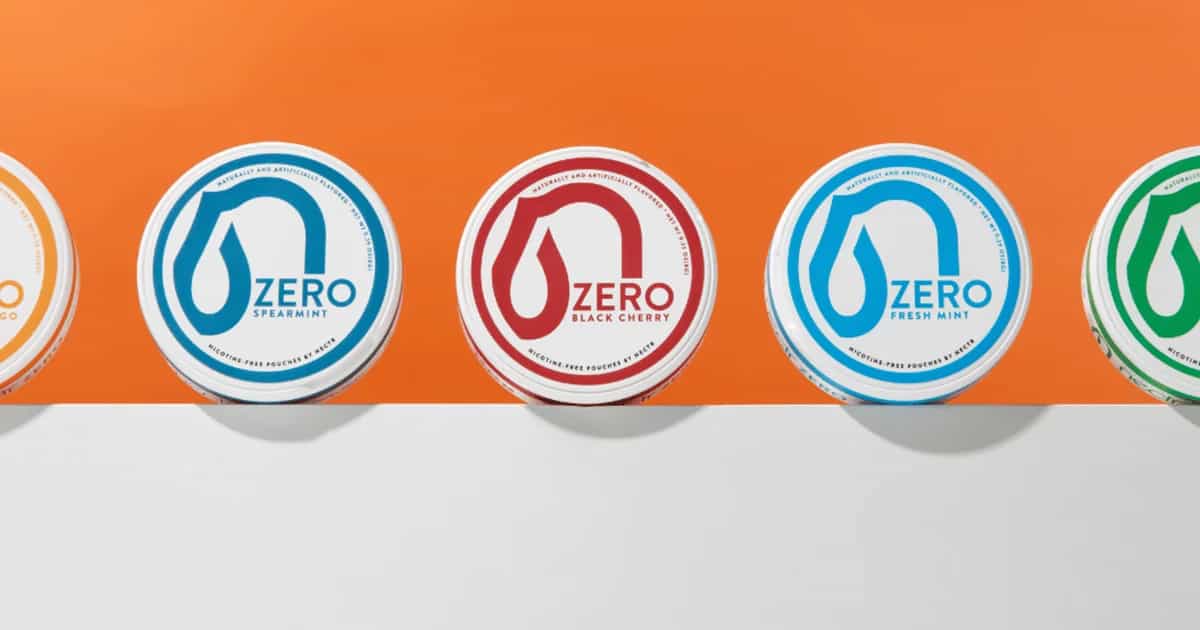
- Skip caffeine on high-stress days. If you are already stressed, adding caffeine's adrenaline boost is like pouring gasoline on a fire. Use a Nectr Zero Pouch for the oral habit without the stimulation.
- Stay hydrated. Dehydration amplifies caffeine's stimulant effects and can worsen anxiety symptoms.
Frequently Asked Questions
Can caffeine cause panic attacks?
Yes, high doses of caffeine (typically 300+ mg) can trigger symptoms identical to a panic attack, including rapid heart rate, sweating, trembling, and a sense of impending doom. This is caused by caffeine's stimulation of adrenaline release. People with panic disorder are especially susceptible and may want to limit caffeine to under 100 mg per day.
Should I quit caffeine if I have anxiety?
Not necessarily. Low-dose caffeine (30-50 mg) is well-tolerated by most people with anxiety. The key is to avoid high doses and to be mindful of your individual response. If you notice that caffeine consistently worsens your anxiety, consider switching to a lower-dose format like caffeine pouches or eliminating caffeine and using stimulant-free pouches instead.
How long does caffeine anxiety last?
Caffeine-induced anxiety typically lasts 3-5 hours, corresponding to caffeine's half-life of approximately 5 hours. Symptoms usually peak 30-60 minutes after consumption and gradually subside as your body metabolizes the caffeine. Slow metabolizers may experience effects for 6-8 hours.