Coffee or Energy Drinks: Which Is Better for You?
Short answer: Coffee is the better daily choice for most people. It delivers caffeine with zero sugar, costs a fraction per serving, and carries decades of long-term safety data. Energy drinks only win when you need a very large single dose, fast. A third option, caffeine pouches, beats both for precise, portable dosing.
Coffee vs energy drinks by the numbers
| Metric | Coffee (8 oz drip) | Energy drink (16 oz) | Caffeine pouch (Nectr) |
|---|---|---|---|
| Caffeine | ~95 mg | 80-300 mg | 50 mg |
| Added sugar | 0 g | 27-54 g | 0 g |
| Calories | ~2 | 110-230 | ~0 |
| Cost per serving | $0.30-0.50 | $2.50-3.50 | $3.74-4.99 per can |
| Onset time | 15-45 min | 15-30 min | 5-10 min |
| Crash risk | Low | High | Low |
The direct answer
Coffee wins on almost every daily-use metric:
- Sugar load (0 g vs 40-60 g).
- Calories (2 vs 160-240).
- Antioxidant content (coffee is rich in polyphenols; energy drinks are not).
- Cost per mg of caffeine (about $0.50 a cup vs $3 a can).
- Long-term safety data (coffee is linked to lower mortality in large cohort studies; energy drinks are not studied at that scale).
Energy drinks win on exactly one metric: single-serving caffeine concentration. If you need 200 mg in five minutes, a can delivers it. For everything else, coffee is the better default.
What coffee does well
- Polyphenol antioxidants: chlorogenic acid and related compounds, linked to better metabolic markers.
- Lower Type 2 diabetes risk at 3-4 cups per day in multiple cohort studies.
- Lower liver disease risk in regular coffee drinkers.
- Neuroprotection hints: reduced Parkinson's and Alzheimer's risk observed in large observational cohorts.
- Mortality: moderate intake is associated with 10-15% lower all-cause mortality.
Where energy drinks go wrong
- Sugar: a single 16 oz can can carry 54 g of sugar, more than the American Heart Association's recommended daily ceiling.
- Artificial sweeteners: aspartame and acesulfame K in the sugar-free versions.
- Artificial colors: Red 40, Yellow 5 and similar dyes.
- Proprietary blends: hidden doses of taurine, L-carnitine and B vitamins.
- High single-serving caffeine: 160-300 mg in one can creates a spike instead of a curve.
- Acidity: dental enamel concerns with daily use.
When an energy drink is actually the right call
- You need an acute 200 mg dose and have no other option.
- Ultra-endurance events where the carbohydrate load is genuinely useful.
- Shift work where maximum single-dose caffeine is the goal.
The crash math: why spikes backfire
Caffeine has a half-life of about five hours. A 300 mg energy drink at 3 PM still leaves roughly 150 mg in your system at 8 PM, which is why the "boost" becomes tomorrow's sleep problem. Add a 54 g sugar spike and you get the classic double crash: a glucose dip two hours in, followed by the adenosine rebound as caffeine clears.
Steadier options (a smaller dose, repeated) avoid both. See why caffeine crashes happen, or run your own timing with the caffeine half-life calculator.
Want clean caffeine without the crash?
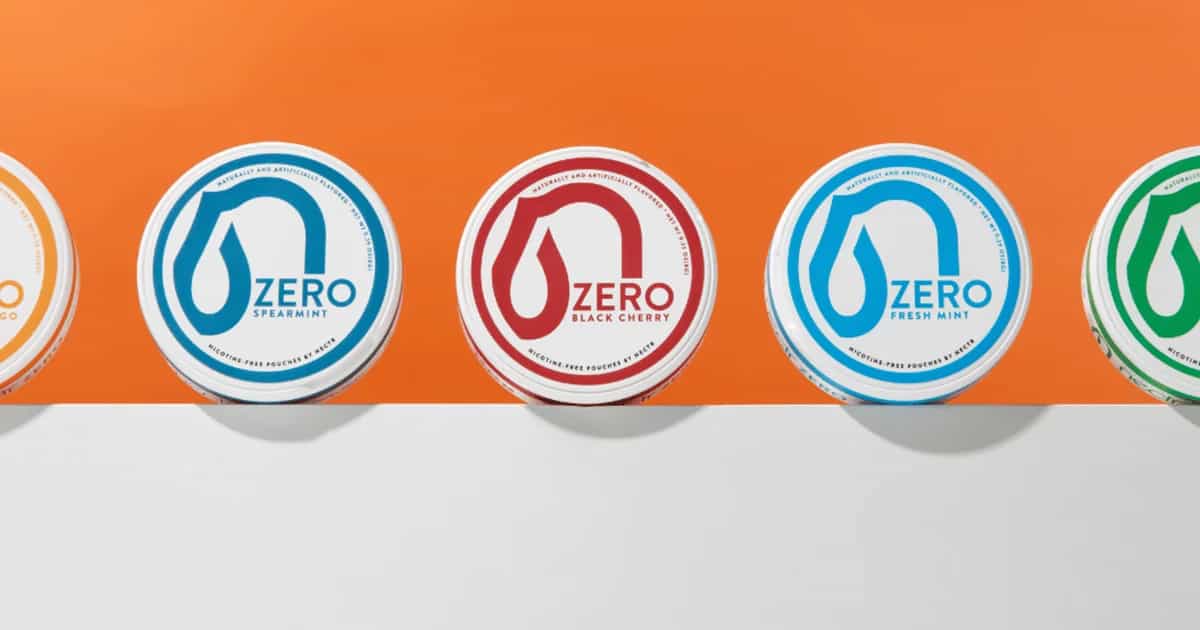
Nectr Energy pouches deliver 50 mg of caffeine through sublingual absorption: faster than coffee, zero sugar, zero nicotine.
The third option: caffeine pouches
Caffeine pouches solve most of the energy drink problem without giving up convenience:
- 50 mg per pouch: precise control, so you can stack without overshooting 400 mg for the day.
- Zero sugar, zero calories, zero artificial colors.
- Fastest onset of any format, typically 5-10 minutes through sublingual absorption.
- Pocket-sized and silent, no can, no cup, no smell.
Most people use them as a coffee companion rather than a replacement: one pouch mid-afternoon covers the slump that used to send you to the vending machine. New to the format? Start with how to use caffeine pouches or find a store with the where to buy guide.
Health outcomes summary
| Metric | Coffee | Energy drink | Caffeine pouch |
|---|---|---|---|
| Dose control | Approximate | Fixed, often high | Exact (50 mg per pouch) |
| Added sugar | 0 g | 27-54 g (or artificial) | 0 g |
| Calories | ~2 | 110-230 | ~0 |
| Long-term safety data | Strong | Limited | Limited but clean |
| Dental impact | Mild staining | Enamel erosion | Minimal |
| Heart rate spike | Moderate | High (single serving) | Moderate |
| Sugar crash | No | Yes | No |
Frequently Asked Questions
Why is coffee better than energy drinks?
Lower sugar, fewer additives, stronger long-term safety data, and meaningful antioxidant content, at a fraction of the cost per serving.
Are sugar-free energy drinks healthy?
Better than the sugar-full versions, but they still carry artificial sweeteners, artificial colors, and a high single-serving caffeine dose.
How many energy drinks per day is safe?
For a 300 mg can, one. Stacking two can push you over the 400 mg daily ceiling recommended by the FDA, before counting the sugar or sweetener load.
Is coffee or an energy drink better before a workout?
Coffee, or a caffeine pouch, for most training. The dose is easier to control and you skip the sugar. Energy drinks only make sense for long endurance sessions where the carbs are useful.
What is the healthiest caffeine source?
Black coffee, tea, and caffeine pouches are the three cleanest options. The pouches win on dose control and portability.
Can kids drink energy drinks?
No. High-caffeine energy drinks are not appropriate for anyone under 18.
Related reading: Energy pouches vs energy drinks · Caffeine half-life calculator · Where to buy caffeine pouches