
Caffeine Tolerance: How It Builds and How to Reset
Caffeine tolerance develops when your brain compensates for regular caffeine use by creating more adenosine receptors — the same receptors caffeine blocks to keep you alert. This adaptation begins within just 1-3 days of daily consumption and reaches meaningful levels within 1-2 weeks, according to research published in Psychopharmacology (Fredholm et al., 1999). The result: the same cup of coffee that once made you feel superhuman now barely gets you to baseline.
Key Takeaways
Energy Pouches
View All →


- Caffeine tolerance begins building within 1-3 days of daily use and becomes significant within 1-2 weeks.
- Your brain creates additional adenosine receptors to compensate for caffeine's blocking effect — this is called "receptor upregulation."
- A full tolerance reset takes 7-12 days of complete caffeine abstinence, though significant sensitivity returns within 5-7 days.
- Microdosing caffeine (30-50 mg per serving) slows tolerance buildup compared to high-dose consumption.
- Cycling on and off caffeine or reducing doses periodically can maintain caffeine's effectiveness long-term.
How Does Caffeine Tolerance Build?
Caffeine's primary mechanism is blocking adenosine receptors in the brain. Adenosine is the neurotransmitter that makes you feel sleepy — caffeine parks in those receptors and prevents adenosine from doing its job. That is why caffeine makes you feel alert.
But your brain is adaptive. When it notices that adenosine is not getting through, it responds by growing more adenosine receptors. This process is called receptor upregulation. More receptors means more landing pads for adenosine, which means caffeine has to work harder to block the same percentage. The same dose that once produced a noticeable boost now only maintains normalcy.
This is why regular coffee drinkers often escalate from one cup to two, then three, then four. They are not becoming more tired — their brain is becoming more resistant. And each escalation accelerates the upregulation cycle, creating a tolerance spiral that ends with six cups a day and no perceptible benefit.
Research by Ribeiro and Sebastiao (2010) in the Journal of Alzheimer's Disease confirmed that adenosine receptor density increases significantly within 7-14 days of consistent caffeine exposure, and returns to baseline within 7-12 days of abstinence.
What Does a Caffeine Tolerance Reset Look Like?
A tolerance reset — sometimes called a "caffeine washout" — involves temporarily eliminating or drastically reducing caffeine intake so your brain can downregulate those extra adenosine receptors back to baseline levels.
Here is what to expect during a reset:
| Day | What Happens | How You Will Feel |
|---|---|---|
| Day 1-2 | Adenosine floods newly unblocked receptors | Headache, fatigue, brain fog, irritability |
| Day 3-4 | Withdrawal symptoms peak | Worst headache and lethargy, reduced concentration |
| Day 5-7 | Brain begins downregulating excess receptors | Symptoms improving, energy stabilizing |
| Day 8-12 | Receptor levels approaching pre-tolerance baseline | Normal energy without caffeine, clarity returning |
| Day 12+ | Full reset achieved | Caffeine will feel potent again at low doses |
The withdrawal phase is the hard part — and it is why most people never reset. Caffeine withdrawal headaches are caused by the sudden increase in cerebral blood flow (caffeine is a vasoconstrictor, and removing it causes blood vessels to dilate). Over-the-counter pain relievers can help, and staying well-hydrated reduces symptom severity.
Can You Avoid Tolerance Without Quitting Caffeine?
Yes, and this is where dosing strategy becomes important. Research suggests that tolerance buildup is dose-dependent — higher daily intake leads to faster and more pronounced upregulation. This means that using lower doses of caffeine slows the tolerance curve significantly.
A 50 mg Nectr Energy Pouch triggers far less receptor upregulation than a 200 mg coffee. If you use 2-3 pouches per day (100-150 mg total), you are consuming enough to feel the benefit while keeping your brain's adaptation response to a minimum.
Other strategies that help maintain caffeine sensitivity:
- Cycle your intake: Use caffeine 5 days per week and take weekends off. This mini-reset prevents full tolerance from developing.
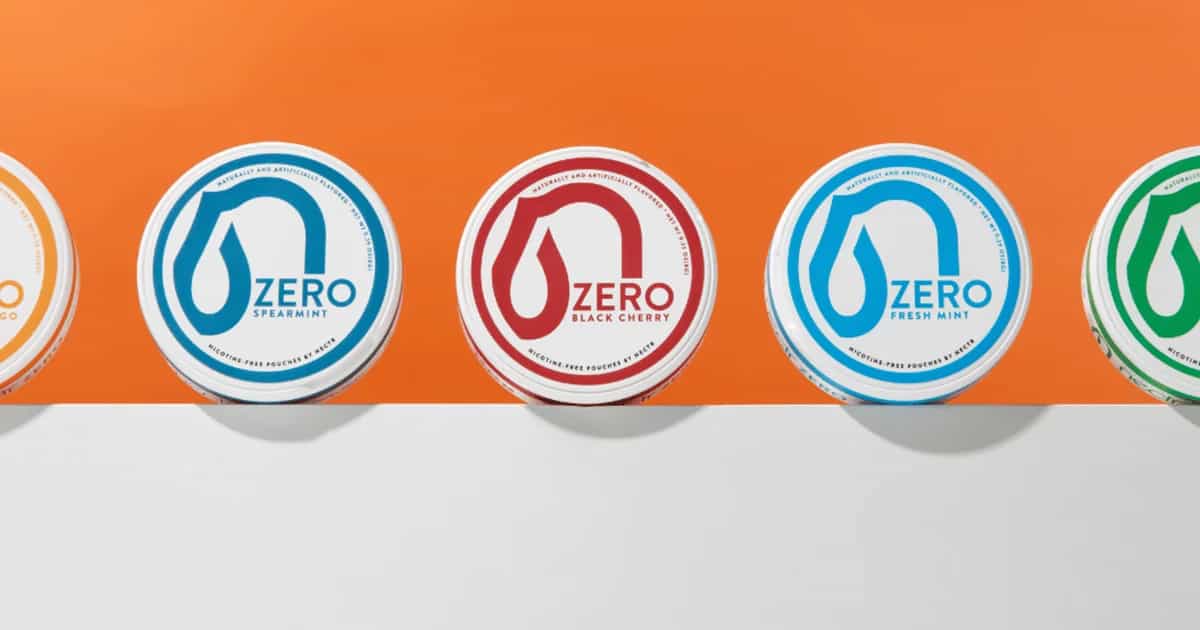
- Alternate with caffeine-free days: On low-demand days, swap to Nectr Zero Pouches to maintain the ritual without the stimulant.
- Taper before a reset: Instead of going cold turkey, reduce your intake by 25% every 2-3 days to minimize withdrawal symptoms.
- Vary your doses: Use 30-50 mg on light days and only go higher when you genuinely need peak performance. Variable dosing confuses the tolerance adaptation.
Microdosing Caffeine: A Smarter Approach
Microdosing caffeine — using 25-50 mg per serving instead of 100-200 mg — is gaining traction as a strategy for maintaining sensitivity while still reaping alertness benefits. The logic is straightforward: smaller doses block fewer adenosine receptors, triggering less compensatory upregulation, and allowing each dose to remain perceptibly effective for longer.
Caffeine pouches are arguably the best delivery format for microdosing because each pouch contains a precisely measured dose. A Nectr Focus Pouch at 30 mg caffeine (plus 62.5 mg Cognizin® Citicoline for cognitive support) lets you maintain a productive state without the heavy receptor loading that comes from coffee. You can use one in the morning, one at midday, and stop there — 60 mg total, which is less than a single cup of drip coffee.
The Cognizin® in Focus Pouches adds another dimension: by supporting acetylcholine production through a non-caffeine pathway, it provides cognitive benefits that do not require adenosine receptor blockade and therefore do not contribute to caffeine tolerance at all.
Frequently Asked Questions
How long does it take to fully reset caffeine tolerance?
Most research indicates that 7-12 days of complete caffeine abstinence is sufficient for a full tolerance reset. Significant sensitivity returns within 5-7 days for most people. The exact timeline depends on your previous daily intake — heavy users (500+ mg/day) may need the full 12 days, while moderate users often reset faster.
Will switching to tea from coffee reset my tolerance?
Not if the tea still contains significant caffeine. Switching from coffee (100-200 mg per cup) to black tea (40-70 mg per cup) will reduce your total intake and slow further tolerance buildup, but it will not reverse existing tolerance. For a true reset, you need to go caffeine-free entirely or reduce to under 20 mg per day.
Does caffeine tolerance affect everyone equally?
No. Genetic differences in the CYP1A2 enzyme (the primary caffeine-metabolizing enzyme in the liver) mean some people develop tolerance faster than others. Fast metabolizers clear caffeine quickly and may build tolerance more slowly, while slow metabolizers are exposed to caffeine for longer periods and may develop tolerance faster.
Can I use Nectr Zero during a tolerance reset?
Absolutely. Nectr Zero Pouches contain zero caffeine and zero stimulants — just flavor and the pouch format. They are specifically useful during a tolerance reset because they let you keep the oral ritual (which is often harder to give up than the caffeine itself) without introducing any caffeine that would interfere with the reset process.