
Caffeine and Sleep: How Late Is Too Late?
Caffeine and sleep have a more complicated relationship than most people realize. Caffeine has a half-life of approximately 5-6 hours in healthy adults, meaning half of the caffeine you consume is still circulating in your bloodstream 5-6 hours later. A 2 PM coffee with 200 mg of caffeine still has 100 mg active at 8 PM and 50 mg at 2 AM. Research published in the Journal of Clinical Sleep Medicine found that caffeine consumed even 6 hours before bedtime significantly disrupted sleep quality (Drake et al., 2013).
Key Takeaways
Energy Pouches
View All →


- Caffeine has a half-life of 5-6 hours — it takes 10-12 hours for a dose to fully clear your system.
- The minimum recommended cutoff is 6 hours before bedtime; 8-10 hours is better for sleep-sensitive individuals.
- Caffeine disrupts sleep even when you feel like it does not — studies show reduced deep sleep stages without subjective awareness.
- Low-dose caffeine sources like pouches (30-50 mg) clear faster and have less impact on sleep than large coffees (200+ mg).
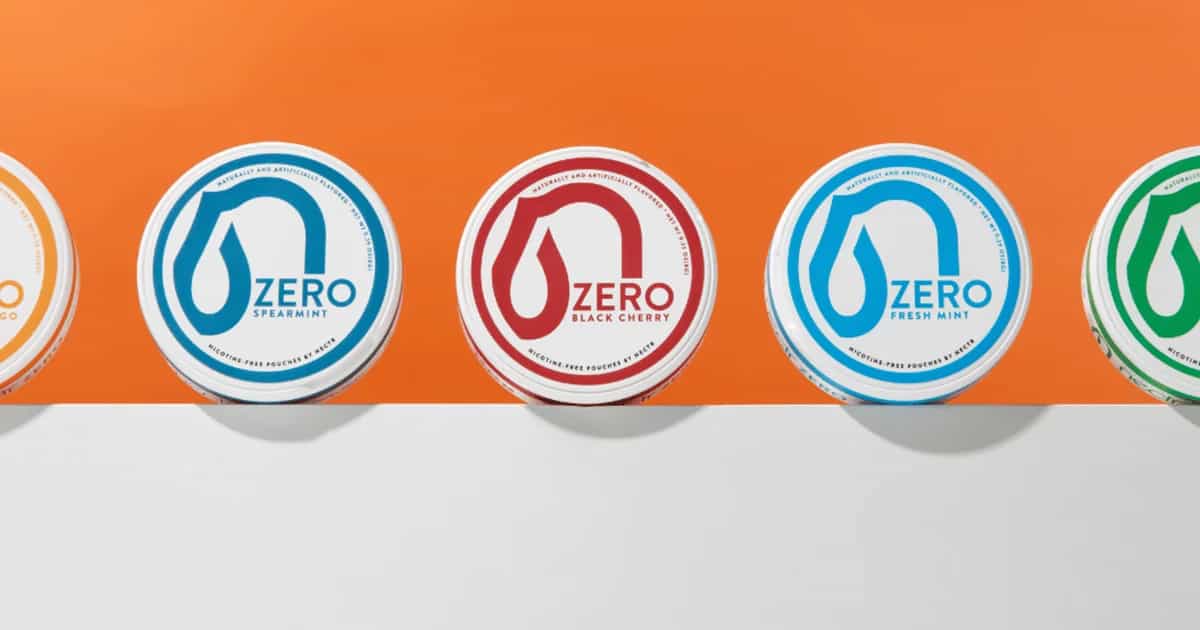
- For evening use, Nectr Zero Pouches offer the pouch experience with zero caffeine, zero stimulants.
How Does Caffeine Affect Your Sleep?
Caffeine disrupts sleep through the same mechanism that makes it useful during the day: adenosine receptor blockade. Adenosine is a neurotransmitter that builds up during waking hours and signals your brain that it is time to sleep. Caffeine blocks adenosine from binding to its receptors, keeping you alert — but if there is still caffeine in your system at bedtime, it actively fights your body's natural sleep drive.
The impact is not subtle. A landmark study by Drake et al. (2013) found that 400 mg of caffeine taken 6 hours before bedtime reduced total sleep time by more than one hour. But here is the part most people miss: caffeine disrupts sleep architecture even when you manage to fall asleep. It reduces the amount of slow-wave sleep (deep sleep) — the stage responsible for physical recovery, memory consolidation, and immune function.
In practical terms, you might sleep for 7 hours after evening caffeine and still wake up feeling unrested because the quality of those hours was compromised. Your body was in bed but your brain never fully powered down.
What Is the Ideal Caffeine Cutoff Time?
The right cutoff depends on your bedtime and how quickly you metabolize caffeine. Here is a general framework:
| Bedtime | Minimum Cutoff (6 hrs) | Optimal Cutoff (8 hrs) | Conservative Cutoff (10 hrs) |
|---|---|---|---|
| 10:00 PM | 4:00 PM | 2:00 PM | 12:00 PM |
| 11:00 PM | 5:00 PM | 3:00 PM | 1:00 PM |
| 12:00 AM | 6:00 PM | 4:00 PM | 2:00 PM |
The "minimum" column works for fast metabolizers and people consuming low doses. The "optimal" column is where most sleep researchers recommend setting your cutoff. The "conservative" column is for slow metabolizers, caffeine-sensitive individuals, or anyone who struggles with sleep quality.
Your caffeine metabolism rate is largely determined by genetics — specifically the CYP1A2 gene. Some people clear caffeine in 3-4 hours while others take 8-10 hours. If you have ever felt wired from an afternoon coffee at midnight, you are likely a slow metabolizer.
Does the Dose Matter for Sleep Impact?
Absolutely. Dose is the single biggest modifiable factor in caffeine's sleep impact. The Drake study used 400 mg — the equivalent of a large Starbucks drip coffee. But at 50 mg (one Nectr Energy Pouch), the picture changes dramatically.
At 50 mg consumed at 2 PM with a 10 PM bedtime (8 hours apart), approximately 9 mg of caffeine remains active at bedtime. Compare that to a 310 mg Grande coffee at 2 PM, which leaves roughly 56 mg still circulating at 10 PM. That residual caffeine is the difference between restful sleep and tossing through shallow stages all night.
This is the practical advantage of low-dose caffeine sources. You can use them later in the day with less sleep disruption than a single standard coffee consumed earlier. Precision dosing lets you enjoy afternoon energy without sacrificing nighttime recovery.
How to Protect Your Sleep While Still Using Caffeine
You do not have to quit caffeine to sleep well. You just need a strategy:
- Set a hard cutoff. Pick a time based on the table above and treat it as non-negotiable. Write it on a sticky note if you have to.
- Front-load your caffeine. Consume the majority of your daily caffeine in the morning and early afternoon. Use smaller doses (or none) as the day progresses.
- Switch to zero-caffeine options in the evening. If you enjoy the ritual of a pouch after dinner or during a late gaming session, Nectr Zero Pouches deliver flavor and oral satisfaction without any stimulants.
- Use lower-dose sources. A 30 mg Nectr Focus Pouch at 3 PM clears to about 5 mg by 10 PM. A 200 mg coffee at 3 PM still has 36 mg active. The math makes the decision obvious.
- Track your sleep quality. Use a sleep tracker or simply rate your morning alertness for two weeks. If your sleep is consistently poor, push your cutoff time earlier by one hour and reassess.
Frequently Asked Questions
Does caffeine cause insomnia?
Caffeine is one of the most common causes of insomnia worldwide. It can both prevent you from falling asleep (sleep onset insomnia) and reduce the quality of sleep you do get by suppressing deep sleep stages. The solution is not necessarily eliminating caffeine — it is consuming the right amount at the right time.
Can you build a tolerance to caffeine's sleep effects?
Partially. Regular caffeine consumers may find it easier to fall asleep after caffeine compared to non-regular users. However, research suggests that even in habitual consumers, caffeine still reduces slow-wave sleep and total sleep time — the subjective feeling of falling asleep normally does not mean your sleep quality is unaffected (Drapeau et al., 2006).
Is decaf safe to drink in the evening?
Generally yes. Decaf contains 2-15 mg of caffeine per cup, which is unlikely to significantly impact sleep for most people. It is a reasonable option if you want a warm beverage in the evening without meaningful caffeine exposure.
How does caffeine compare to blue light for sleep disruption?
Both are significant sleep disruptors, but they work through different mechanisms. Blue light suppresses melatonin production (the hormone that triggers sleepiness), while caffeine blocks adenosine (the neurotransmitter that builds sleep pressure). Ideally, you address both — set a caffeine cutoff and reduce screen brightness in the evening.