Best Nicotine Alternatives: What Actually Helps You Quit
Short answer: The most effective nicotine alternatives combine nicotine replacement therapy (NRT) for chemical withdrawal with behavioral substitutes for the physical habit. FDA-approved NRT (patches, gum, lozenges) doubles quit success rates. Prescription medications (varenicline, bupropion) can triple them. For the oral fixation component, Nectr Zero pouches provide a nicotine-free oral substitute that many former nicotine users find essential for long-term success.
Why "Alternatives" Matter More Than Willpower
The idea that quitting nicotine is simply a matter of willpower is outdated and scientifically inaccurate. Nicotine rewires brain circuitry — it creates new neural pathways, upregulates receptors, and alters baseline neurotransmitter levels. Quitting means your brain must physically reverse these changes while you simultaneously break deeply ingrained behavioral habits.
Effective quitting requires addressing both components: the chemical dependency and the behavioral pattern. Trying to quit without alternatives for both is like trying to learn to swim while also holding your breath — possible, but needlessly difficult.
FDA-Approved Nicotine Replacement Therapy (NRT)
NRT products deliver controlled amounts of nicotine without the harmful delivery mechanisms (combustion, vaporization, tobacco). They allow you to manage chemical withdrawal while working on the behavioral component separately.
Nicotine Patches
How they work: Transdermal patches deliver steady, low-level nicotine through the skin over 16-24 hours.
Best for: Baseline craving management. Patches reduce the constant background craving but don't help with acute craving spikes.
Typical program: Start at 21mg, step down to 14mg, then 7mg over 8-12 weeks.
Effectiveness: Approximately doubles quit success rates vs. cold turkey.
Nicotine Gum
How it works: Chew slowly, then park between cheek and gum. Nicotine absorbs through oral mucosa.
Best for: On-demand craving relief. Good for people who need something to do with their mouth.
Available strengths: 2mg and 4mg.
Effectiveness: Similar to patches when used correctly (many people chew too fast, reducing absorption).
Nicotine Lozenges
How they work: Dissolve slowly in the mouth, releasing nicotine for oral absorption.
Best for: Discreet, on-demand use. Easier to dose correctly than gum.
Available strengths: 2mg and 4mg.
Effectiveness: Comparable to gum and patches.
Prescription Medications
Varenicline (Chantix/Champix)
Varenicline is the most effective single quit-smoking medication available. It works by partially activating nicotinic receptors — providing enough stimulation to reduce withdrawal and cravings while blocking nicotine from producing its full rewarding effect if you relapse.
Effectiveness: Approximately triples quit success rates. In clinical trials, 44% of varenicline users were smoke-free at 12 weeks vs. 18% with placebo.
Side effects: Nausea (most common), vivid dreams, insomnia, headache. Earlier concerns about psychiatric side effects have been largely addressed by subsequent large-scale safety studies.
Bupropion (Wellbutrin/Zyban)
Originally an antidepressant, bupropion was found to reduce nicotine cravings through its effects on dopamine and norepinephrine. It doesn't contain nicotine.
Effectiveness: Approximately doubles quit success rates.
Best for: People who experience significant mood disturbance during withdrawal. The antidepressant effects can help manage the emotional component.
Behavioral and Oral Fixation Alternatives
Here is where most quit guides fall short. Even with NRT managing the chemical withdrawal, many people relapse because the behavioral habit is not addressed. Your brain has logged thousands of repetitions of the hand-to-mouth action, the oral sensation, the situational triggers. These neural pathways need new inputs.
Nicotine-Free Pouches
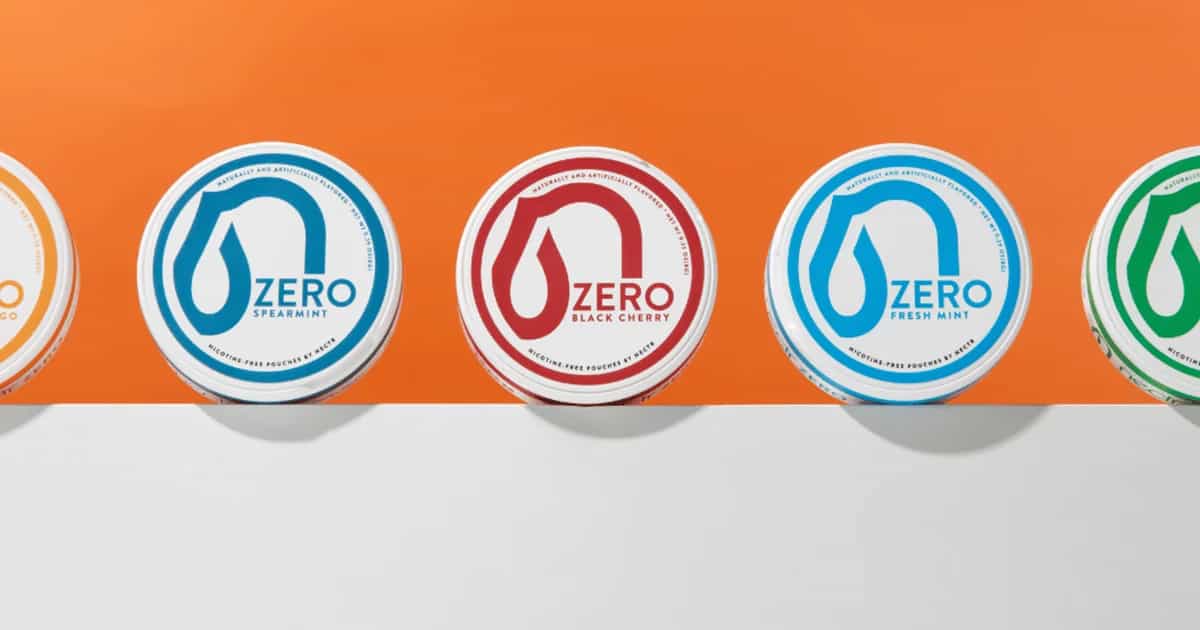
Nectr Zero pouches are specifically designed for this purpose. They replicate the physical experience of having a pouch between lip and gum — satisfying the oral fixation — without nicotine, caffeine, or any stimulant. For people quitting nicotine pouches (Zyn, Velo, etc.), this is the closest physical substitute available.
For additional functional benefit during the quit process, Nectr Focus pouches deliver Cognizin® Citicoline to support the concentration difficulties that are common during nicotine withdrawal.
Other Behavioral Substitutes
- Exercise: 10 minutes of moderate exercise reduces cravings for up to 50 minutes. The most effective behavioral intervention available.
- Deep breathing: 4-7-8 breathing technique activates the parasympathetic nervous system, countering the anxiety that drives cravings.
- Cognitive behavioral techniques: Identifying triggers, developing coping plans, and reframing the quit experience as gaining freedom rather than losing a pleasure.
- Support groups and apps: Accountability and shared experience significantly improve outcomes.
Nicotine Alternatives Compared
| Alternative | Contains Nicotine | Effectiveness | Addresses Oral Habit | Prescription Needed |
|---|---|---|---|---|
| Nicotine patches | Yes | 2x quit rate | No | No (OTC) |
| Nicotine gum | Yes | 2x quit rate | Partially | No (OTC) |
| Nicotine lozenges | Yes | 2x quit rate | Partially | No (OTC) |
| Varenicline | No | 3x quit rate | No | Yes |
| Bupropion | No | 2x quit rate | No | Yes |
| Nectr Zero pouches | No | Behavioral support | Yes (primary purpose) | No |
| Exercise | No | Significant support | No | No |
The Most Effective Combination
Research consistently shows that combining approaches works best. The highest quit success rates come from:
- Chemical management: Varenicline OR combination NRT (patch + gum/lozenge) for the first 8-12 weeks.
- Behavioral replacement: Nicotine-free pouches for oral fixation, exercise for craving management.
- Support: Counseling, quitline (1-800-QUIT-NOW), or support app.
This three-pronged approach can achieve quit rates of 50%+ at one year — dramatically higher than the 3-5% baseline for unaided attempts.
The Oral Fixation Solution
Nectr Zero pouches give your mouth what it craves during the quit process — without nicotine, without caffeine, without any addictive substance.
Frequently Asked Questions
What is the most effective way to quit nicotine?
Combination therapy: a prescription medication (varenicline) or dual NRT (patch + gum), combined with behavioral support (counseling, oral fixation replacements, exercise). This approach achieves the highest long-term success rates.
Do nicotine-free pouches help with quitting?
Yes, for the behavioral component. The physical habit of having something in your mouth is separate from the chemical addiction. Nectr Zero pouches address this oral fixation, which many quitters identify as the hardest part to overcome after the initial withdrawal passes.
How long does it take to quit nicotine completely?
Physical withdrawal peaks at days 3-5 and largely resolves within 2-4 weeks. Psychological cravings and behavioral habits may take 2-6 months to fully address. Most people feel substantially in control by 3 months.
Is switching to caffeine pouches from nicotine pouches a good idea?
It can be an effective strategy. Caffeine pouches satisfy the oral fixation while providing a mild stimulant effect (caffeine) that helps manage the energy and focus decline during nicotine withdrawal. Caffeine is far less addictive than nicotine and does not carry the same health risks.
Can I quit nicotine without medication?
Yes, though success rates are lower. About 3-5% succeed on any given unaided attempt. Using behavioral strategies, oral substitutes like Nectr Zero, exercise, and social support improves odds even without medication. Most people who quit successfully needed multiple attempts.