
Are Caffeine Pouches Safe? What Science and Doctors Say
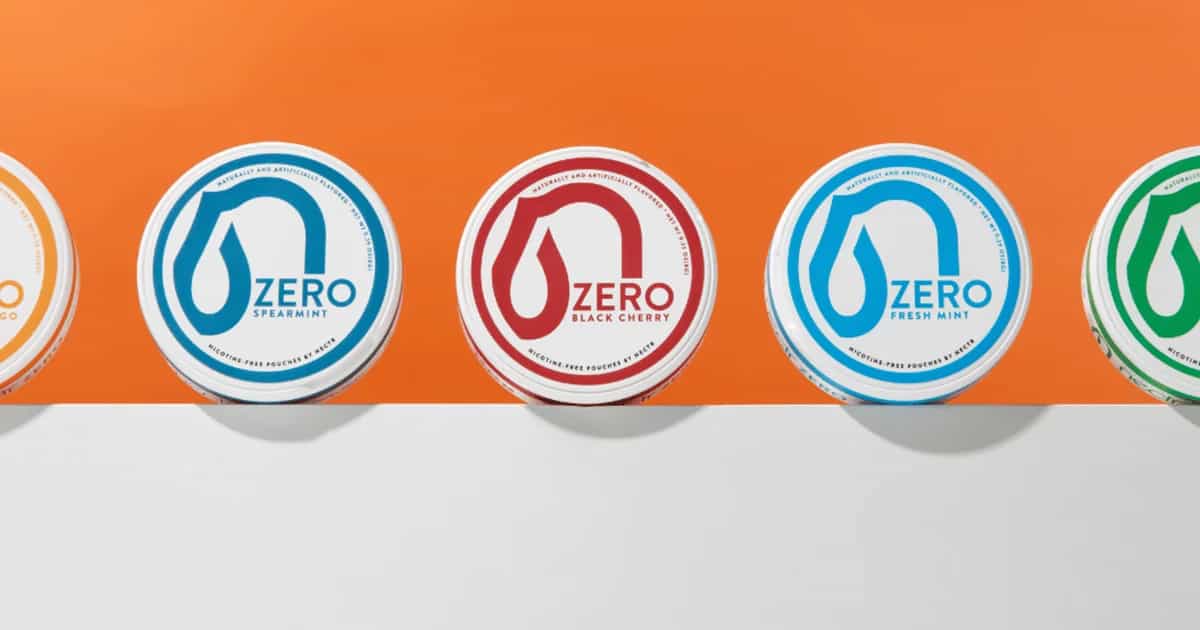
Yes, caffeine pouches are generally considered safe for healthy adults when used as directed. The primary active ingredient is caffeine, which the FDA recognizes as generally safe at up to 400 mg per day. Caffeine pouches contain zero nicotine and zero tobacco, eliminating the two most harmful components found in traditional oral pouches. However, like any caffeinated product, they should be used responsibly — and there are specific considerations around gum health, daily limits, and who should avoid them.
Key Takeaways
- Caffeine pouches deliver 30-50 mg of caffeine per pouch via sublingual absorption — well within safe daily limits even with multiple pouches.
- They contain zero nicotine and zero tobacco, making them non-addictive (caffeine creates mild physical dependence, not chemical addiction).
- Current evidence suggests minimal risk to gum tissue from short-duration pouch use, though long-term studies specific to caffeine pouches are limited.
- Side effects are the same as any caffeine source: jitters, anxiety, insomnia, and increased heart rate at high doses.
- Children, pregnant or nursing women, and caffeine-sensitive individuals should avoid caffeine pouches.
How Caffeine Pouches Deliver Caffeine
Caffeine pouches use sublingual absorption — the same mechanism used by certain medications designed for rapid delivery. When placed between the upper lip and gum, the caffeine dissolves and passes through the thin mucous membrane directly into the bloodstream. This bypasses the digestive system, resulting in faster onset (10-15 minutes vs 30-45 minutes for coffee) and potentially higher bioavailability.
The delivery method itself is not new or experimental. Sublingual administration has been used in medicine for decades (nitroglycerin tablets, certain allergy medications, etc.) and is well-understood from a safety perspective.
Caffeine Safety: What the FDA Says
The FDA states that 400 mg of caffeine per day is not generally associated with dangerous negative effects for healthy adults. Here is what that means for pouch usage:
| Product | Caffeine per serving | Servings to reach 400 mg |
|---|---|---|
| Nectr Energy Pouch | 50 mg | 8 pouches |
| Nectr Focus Pouch | 30 mg | 13 pouches |
| Cup of coffee | 95-200 mg | 2-4 cups |
| Energy drink (16 oz) | 150-300 mg | 1-2 cans |
| Espresso shot | 63 mg | 6 shots |
Most caffeine pouch users consume 2-4 pouches per day, totaling 60-200 mg of caffeine — well within safe limits and less than most coffee drinkers consume daily.
Are Caffeine Pouches Bad for Your Gums?
This is the most common concern, and it deserves a nuanced answer. Nicotine pouches have been associated with mild gum irritation in some users, particularly with prolonged daily use. However, it is important to distinguish between nicotine pouches and caffeine pouches:
- Nicotine constricts blood vessels and reduces blood flow to gum tissue, which can contribute to gum recession over time.
- Caffeine does not have this vasoconstrictive effect on oral tissue. There is no established mechanism by which caffeine damages gum tissue.
That said, any foreign object placed against the gums repeatedly could theoretically cause mild mechanical irritation. The best practices for gum health with pouch use are: alternate sides of your mouth, do not keep pouches in for more than 30-40 minutes, and maintain regular dental hygiene.
Long-term clinical studies specifically on caffeine pouches and gum health are still limited, so it is worth monitoring your oral health and consulting a dentist if you notice any changes.
Caffeine Pouch Side Effects
The side effects of caffeine pouches are the same as those associated with caffeine from any source:
- Jitters or shakiness — Usually from exceeding personal tolerance. Start with one pouch to assess your response.
- Increased heart rate — Normal at moderate doses, concerning at very high doses.
- Anxiety or restlessness — More common in individuals sensitive to caffeine.
- Insomnia — Avoid caffeine pouches within 6-8 hours of bedtime. Caffeine has a half-life of approximately 5 hours.
- Digestive discomfort — Less common with pouches than coffee since caffeine bypasses the stomach.
- Mild gum tingling — Normal during use. Indicates the pouch is releasing ingredients.
If you experience persistent or severe side effects, reduce your usage or switch to a lower-caffeine option like Nectr Focus (30 mg caffeine) or Nectr Zero (0 mg caffeine).
Who Should Avoid Caffeine Pouches?
- Children and adolescents — The American Academy of Pediatrics recommends against caffeine consumption for children under 12 and limits for teens.
- Pregnant or nursing women — The American College of Obstetricians and Gynecologists recommends limiting caffeine to 200 mg/day during pregnancy. Consult your doctor.
- People with heart conditions — Caffeine can increase heart rate and blood pressure. Talk to your cardiologist.
- Caffeine-sensitive individuals — If you react strongly to coffee or tea, start with half a pouch or choose Nectr Zero.
Caffeine Pouches vs Other Caffeine Sources: Safety Comparison
| Safety Factor | Caffeine Pouches | Coffee | Energy Drinks |
|---|---|---|---|
| Dose control | Precise (30-50 mg/pouch) | Variable (95-200 mg) | High (150-300 mg) |
| Sugar | 0 g | 0 g (black) | 27-54 g |
| Acid exposure to teeth | None | Yes (pH 4.5-5.5) | Yes (pH 2.5-3.5) |
| Digestive issues | Rare (bypasses stomach) | Common (acid reflux) | Common (sugar + acid) |
| Overconsumption risk | Low (small doses) | Moderate | High (large single dose) |
| Nicotine/tobacco | None | None | None |
The Bottom Line
Caffeine pouches are among the safest ways to consume caffeine. They offer precise dosing, zero sugar, no nicotine, no tobacco, and bypass the digestive system. The primary risks — overconsumption and gum irritation — are manageable with responsible use. If you want to try caffeine pouches, Nectr Energy delivers 50 mg per pouch with full ingredient transparency, GMP-certified manufacturing in Sweden, and a clean ingredient list.
Frequently Asked Questions
Are caffeine pouches addictive?
Caffeine can create mild physical dependence with daily use, meaning you may experience headache or fatigue if you stop abruptly. However, caffeine dependence is not considered addiction in the clinical sense — it does not cause the compulsive drug-seeking behavior associated with nicotine, alcohol, or other addictive substances. Tapering off over a few days eliminates withdrawal symptoms.
Are caffeine pouches safe for your gums?
Current evidence suggests minimal risk. Unlike nicotine, caffeine does not constrict blood vessels in gum tissue. However, any object placed against the gums repeatedly may cause mild mechanical irritation. Alternate placement sides and limit use to 30-40 minutes per pouch.
How many caffeine pouches can you use per day?
Based on the FDA's 400 mg daily caffeine guideline, you can safely use up to 8 Nectr Energy pouches (50 mg each) or 13 Nectr Focus pouches (30 mg each) per day — though most users find 2-4 pouches sufficient. Always account for caffeine from other sources.
Are caffeine pouches safer than energy drinks?
In several respects, yes. Caffeine pouches provide smaller, more controlled doses (30-50 mg vs 150-300 mg), contain zero sugar, and bypass the stomach — reducing acid reflux and digestive issues. Energy drinks deliver large caffeine doses with high sugar content, which contributes to crashes, dental erosion, and metabolic strain.
Can you use caffeine pouches while pregnant?
The American College of Obstetricians and Gynecologists recommends limiting caffeine to 200 mg per day during pregnancy. Caffeine pouches are a low-dose source, but you should consult your OB/GYN before use during pregnancy or nursing.