Natural Adderall Alternative: 9 Supplements That Actually Work
Short answer: The most effective natural Adderall alternatives work by modulating dopamine, acetylcholine, and norepinephrine — the same neurotransmitter systems targeted by prescription stimulants. Cognizin® Citicoline is the most studied, enhancing both dopamine receptor density and acetylcholine synthesis. Combined with caffeine, it produces a reliable focus effect within minutes.
How Adderall Works (And Why Supplements Can't Fully Replicate It)
Adderall increases dopamine and norepinephrine by blocking reuptake and promoting release at the synapse. The result: dramatically heightened focus, motivation, and executive function. The effect is powerful because it floods multiple systems simultaneously.
Natural supplements work on the same systems but through gentler, more targeted mechanisms — enhancing neurotransmitter production or receptor sensitivity rather than forcing massive release. The effect is subtler but sustainable, with far fewer side effects and no dependency risk.
The Three Focus Pathways
To understand why certain supplements help focus, you need to know the three key neurotransmitter systems:
- Dopamine — drives motivation, reward, and "wanting to do the thing." Low dopamine = procrastination and brain fog.
- Acetylcholine — governs sustained attention, memory encoding, and learning. Low acetylcholine = difficulty concentrating.
- Norepinephrine — controls alertness, vigilance, and arousal. Low norepinephrine = sluggishness and distractibility.
The best natural focus stacks target at least two of these three systems.
9 Supplements by Neurotransmitter Pathway
1. Cognizin® Citicoline — Dopamine + Acetylcholine
Citicoline is the only widely available supplement that meaningfully affects both the dopamine and acetylcholine systems. It works through two mechanisms: (1) it's a precursor to acetylcholine, directly increasing synthesis; (2) it upregulates dopamine receptor density in the frontal cortex, making existing dopamine more effective. Cognizin® is the patented, clinically studied form — a 2021 RCT at the University of Utah showed significant improvements in attention and motor speed at 500 mg/day.
This dual mechanism is why citicoline is considered the closest natural analog to stimulant medications for focus.
2. Caffeine — Norepinephrine + Dopamine (indirect)
Caffeine's primary mechanism is adenosine receptor blockade — it prevents the "sleepiness molecule" from docking. But downstream, this increases norepinephrine release and indirectly boosts dopamine signaling. The result: heightened alertness, faster reaction time, and improved sustained attention. Precise dosing is critical — 50–100 mg produces clean focus; 300+ mg causes anxiety that impairs concentration.
3. Creatine — Cellular Energy (ATP)
Creatine doesn't directly affect neurotransmitters. Instead, it replenishes ATP — the brain's energy currency. The brain uses 20% of your body's energy despite being 2% of body weight. Under cognitive load, stress, or sleep deprivation, ATP demand spikes. Creatine ensures the supply keeps up. This translates to better working memory, reasoning, and mental stamina.
4. Rhodiola Rosea — Dopamine + Serotonin + Cortisol
Rhodiola is an adaptogen that modulates the HPA axis (your stress response). It inhibits MAO-A and MAO-B enzymes, slowing the breakdown of dopamine and serotonin. It also reduces cortisol during acute stress. The net effect: better focus and mood under pressure, with less mental fatigue during long work sessions.
5. Bacopa Monnieri — Acetylcholine + Serotonin
Bacopa's active compounds (bacosides) enhance acetylcholine signaling through multiple pathways: increasing acetylcholinesterase activity, modulating serotonin transporters, and supporting dendritic branching (the brain's wiring). The catch: Bacopa requires 8–12 weeks of daily dosing to reach full effect. It's a long-term investment, not an acute performance enhancer.
6. Lion's Mane — NGF (Nerve Growth Factor)
Lion's Mane stimulates production of NGF and BDNF — proteins that promote neuron growth, maintenance, and repair. This is a fundamentally different mechanism than other nootropics. Rather than boosting neurotransmitters, it improves the brain's structural capacity for focus and learning. Effects build over weeks to months.
7. Omega-3s (DHA) — Membrane Fluidity
DHA is a structural component of neuronal membranes. Adequate DHA maintains membrane fluidity, which is required for efficient neurotransmitter receptor function across all systems. Low DHA is associated with attention deficits and cognitive decline. Supplementation is most beneficial for people with low dietary fish intake.
8. Magnesium — NMDA Receptor Modulation
Magnesium regulates NMDA glutamate receptors, which are critical for learning and synaptic plasticity. Deficiency (which affects ~50% of Americans) causes NMDA receptor overactivation — leading to brain fog, anxiety, and poor sleep. Correcting deficiency can produce noticeable improvements in focus within 1–2 weeks.
9. Nootropic Pouches — Multi-Pathway Delivery
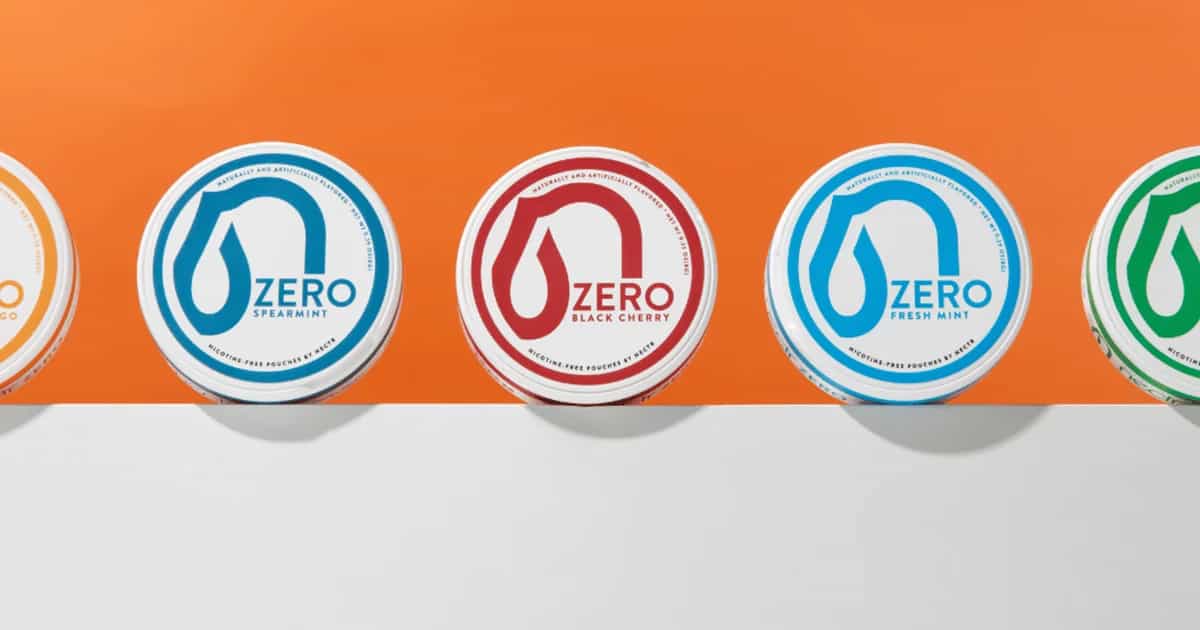
Nectr Focus Pouches combine caffeine and Cognizin® Citicoline in a sublingual format. This covers three focus pathways: dopamine (citicoline + caffeine), acetylcholine (citicoline), and norepinephrine (caffeine). Sublingual absorption delivers compounds in 5–10 minutes — 3–6x faster than capsules.
Supplements by Neurotransmitter Pathway
| Supplement | Dopamine | Acetylcholine | Norepinephrine | Other | Onset |
|---|---|---|---|---|---|
| Cognizin® Citicoline | ✓ (receptor density) | ✓ (precursor) | — | Phospholipid synthesis | 1–2 weeks |
| Caffeine | ✓ (indirect) | — | ✓ (direct) | Adenosine blockade | 15–45 min |
| Creatine | — | — | — | ATP replenishment | 2–4 weeks |
| Rhodiola Rosea | ✓ (MAO inhibition) | — | — | Cortisol modulation | 30–60 min |
| Bacopa Monnieri | — | ✓ (multiple) | — | Serotonin modulation | 8–12 weeks |
| Lion's Mane | — | — | — | NGF/BDNF synthesis | 4–8 weeks |
| Omega-3s (DHA) | — | — | — | Membrane fluidity | 4–8 weeks |
| Magnesium | — | — | — | NMDA regulation | 1–2 weeks |
| Nootropic Pouches | ✓ | ✓ | ✓ | Sublingual delivery | 5–10 min |
How to Combine Supplements Safely
Stacking nootropics is the standard approach in the cognitive optimization community. The key principle: combine compounds that affect different pathways rather than doubling up on one.
Beginner Stack (Minimal, Effective)
- Nectr Focus Pouch (caffeine + Cognizin®) — covers dopamine, acetylcholine, and norepinephrine
- 5 g creatine daily — covers ATP/energy
Intermediate Stack
- Focus Pouch + creatine + 300 mg magnesium glycinate (evening) + 1 g omega-3s
- Covers all major pathways plus structural support
Advanced Stack
- Focus Pouch + creatine + magnesium + omega-3s + 300 mg Rhodiola (morning, for stress days) + 300 mg Bacopa (with food, for long-term memory)
Nectr Focus Pouches deliver Cognizin® Citicoline + caffeine sublingually in under 10 minutes. Build a bundle and save up to 35% on your first order, then 25%.
Frequently Asked Questions
What supplements increase dopamine naturally?
Cognizin® Citicoline increases dopamine receptor density (making existing dopamine more effective). Rhodiola rosea inhibits MAO enzymes that break down dopamine. Caffeine indirectly boosts dopamine signaling by blocking adenosine. For most people, a Focus Pouch (caffeine + citicoline) is the simplest way to support dopamine pathways.
Can I take multiple nootropics together?
Yes, and most nootropic researchers recommend it. The key is combining supplements that target different neurotransmitter systems. Caffeine + citicoline + creatine is a well-studied, safe combination. Avoid stacking multiple stimulants (e.g., high-dose caffeine + synephrine) or taking supplements that affect the same pathway at high doses without guidance.
How long do natural focus supplements take to work?
It depends on the mechanism. Caffeine and nootropic pouches work in 5–45 minutes (acute stimulant effect). Rhodiola works within an hour. Citicoline takes 1–2 weeks of daily use for full cognitive benefits (though it enhances the acute effect of caffeine immediately). Bacopa and Lion's Mane require 2–3 months.
Are there side effects?
At recommended dosages, the supplements in this article have excellent safety profiles. Common mild side effects: caffeine can cause jitters at high doses, Bacopa may cause mild GI upset in some people, and creatine can cause water retention. Cognizin® Citicoline has no commonly reported side effects at doses up to 2,000 mg/day in clinical trials.