
How to Quit Nicotine Pouches: The Complete Step-by-Step Guide
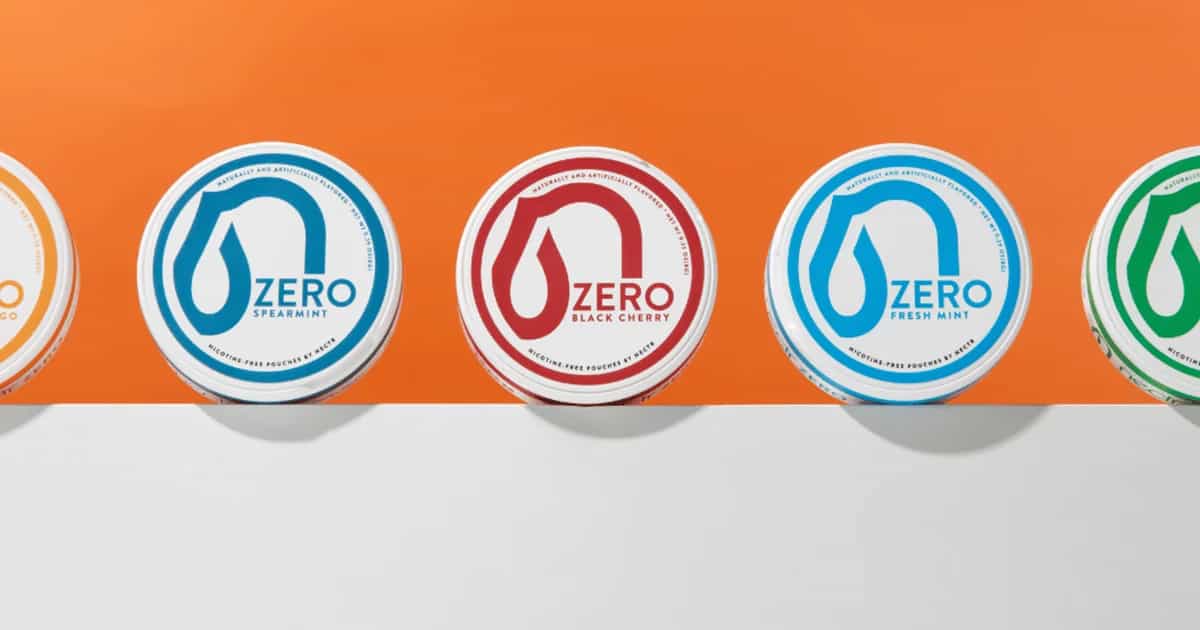
To quit nicotine pouches, the most effective approach is tapering combined with a nicotine-free oral substitute. Gradually reduce your daily pouch count by one per week while replacing cravings with nicotine-free alternatives. This method reduces withdrawal severity by up to 50% compared to cold turkey and addresses both the chemical dependency and the oral fixation that makes pouches so hard to put down.
📋 TL;DR — How to Quit Nicotine Pouches
- Track your daily usage for 1 week
- Taper by 1 pouch/day per week
- Replace nicotine pouches with nicotine-free alternatives during cravings
- Handle withdrawal symptoms (irritability, cravings peak at days 3–5)
- Stay nicotine-free for 30 days to break the habit loop
Why Are Nicotine Pouches So Hard to Quit?
Nicotine pouches create dependency on two separate levels:
- Chemical dependency: Nicotine binds to acetylcholine receptors in the brain, triggering dopamine release. With repeated use, your brain downregulates its natural dopamine production and increases receptor density — meaning you need nicotine just to feel normal.
- Behavioral habit: The oral ritual — reaching for a can, placing a pouch under your lip, the sensation against your gums — becomes deeply embedded in your routine. Many users reach for a pouch reflexively during specific triggers: after meals, during work, while driving, or under stress.
This double dependency is why quitting cold turkey is so difficult. Tapering addresses both: it gradually reduces nicotine while maintaining the oral ritual through nicotine-free substitutes until you're ready to stop entirely.
How Do You Quit Nicotine Pouches Step by Step?
Follow this 5-step tapering plan. Adjust starting numbers to match your actual daily usage.
Step 1 — Track Your Baseline (Week 0)
For 7 days, simply count how many pouches you use. Note the time, situation, and trigger for each one. This gives you a clear map of your dependency pattern and reveals which pouches are habitual versus driven by genuine craving.
Step 2 — Begin the Taper (Week 1)
Reduce your daily nicotine pouch count by 2. Replace the removed pouches with a nicotine-free oral substitute. Start by swapping out your lowest-craving pouches first — typically mid-morning and mid-afternoon.
Step 3 — Accelerate the Reduction (Weeks 2–3)
Continue cutting by 1–2 pouches per week. By Week 3 you should be at 3 or fewer nicotine pouches per day. Keep nicotine only for your highest-craving moments; everything else gets replaced with a nicotine-free option like Nectr Focus pouches, which deliver 30 mg caffeine and Cognizin® Citicoline to satisfy the oral habit while supporting focus and energy.
Step 4 — Eliminate Nicotine Entirely (Week 4)
Drop your last 1–2 nicotine pouches. This is the hardest day, but by now your brain has already adapted significantly. The oral habit is fully satisfied by your nicotine-free substitute.
Step 5 — Sustain the Nicotine-Free State (Week 5+)
Stay completely nicotine-free for at least 30 days to break the habit loop at the neurological level. Continue using nicotine-free pouches as long as you need them. Many former nicotine pouch users permanently switch to Nectr Focus or Nectr Energy pouches for the functional benefit without the dependency. If you’re looking for retail options, see our guide on where to buy caffeine pouches near you.
| Week | Nicotine Pouches/Day | Nicotine-Free Pouches/Day | Total | Focus |
|---|---|---|---|---|
| Week 1 | 6–8 | 2–4 | ~10 | Replace mid-morning & afternoon pouches first |
| Week 2 | 4–5 | 4–6 | ~10 | Keep nicotine for high-craving moments only |
| Week 3 | 2–3 | 6–8 | ~10 | Nicotine only for 2–3 hardest cravings |
| Week 4 | 0–1 | 8–10 | ~10 | Eliminate nicotine entirely |
| Week 5+ | 0 | As needed | Varies | Fully nicotine-free; use functional pouches as desired |
What Are the Withdrawal Symptoms of Quitting Nicotine Pouches?
Even with tapering you will experience some withdrawal. Knowing what to expect makes symptoms far easier to manage.
Days 1–3: Peak Withdrawal
- Irritability and mood swings: Your brain is recalibrating dopamine production. Even a 10-minute walk measurably reduces craving intensity.
- Intense but short cravings (15–20 min each): When a craving hits, reach for a nicotine-free pouch and wait 15 minutes. Every craving passes on its own.
- Difficulty concentrating: Nicotine-free pouches containing nootropics — like Nectr Focus with Cognizin® Citicoline — can support attention and mental clarity during this phase.
- Insomnia: Avoid caffeine after 2 PM. This resolves within the first week.
- Headaches: Stay hydrated. Usually gone within 3–5 days.
Days 4–14: Steady Improvement
- Cravings drop from hourly to a few times per day.
- Sleep quality noticeably improves by day 5–7.
- Mood stabilizes by the end of week 2.
- Energy levels may still dip — caffeine and nootropic pouches can help bridge the gap.
Weeks 3–4: The New Normal
- Most physical symptoms are gone.
- Occasional situational cravings (stress, social settings, habitual triggers).
- The oral habit is now satisfied by nicotine-free pouches.
- Mental clarity and cardiovascular health begin measurably improving.
How Long Does It Take to Quit Nicotine Pouches?
Physical withdrawal symptoms peak at days 2–3 and largely resolve within 10–14 days. Most people are completely nicotine-free within 4–6 weeks using tapering. Psychological cravings (triggered by stress or habit cues) can persist for 1–3 months but become very manageable after the first 30 days. The 30-day mark is the key milestone — after that, the neurological habit loop weakens significantly.
What Can You Use Instead of Nicotine Pouches?
The best substitutes address both the chemical and behavioral sides of the habit:
- Nicotine-free functional pouches — Nectr Focus pouches deliver 30 mg caffeine and 62.5 mg Cognizin® Citicoline in the same format as a ZYN or On! pouch. They satisfy the oral fixation and hand-to-mouth ritual that drives most relapses, while giving you genuine cognitive benefits — without a milligram of nicotine. This is a genuine harm-reduction option used by many former nicotine pouch users.
- Nicotine replacement therapy (NRT): Patches, gum, and lozenges reduce chemical withdrawal but don't address the oral habit. They work best in combination with an oral substitute. For a full breakdown of the top nicotine-free options available today, see our guide to the best nicotine-free pouches in 2026.
- Exercise: 20 minutes of moderate cardio measurably reduces nicotine cravings for 1–2 hours afterward by increasing dopamine and endorphins naturally.
- Hydration + snacking: Drinking water or chewing gum during cravings occupies the oral fixation as a short-term bridge.
Does Tapering Work for Quitting Nicotine Pouches?
Yes — tapering consistently outperforms cold turkey for nicotine pouch users. Cold turkey requires enduring peak withdrawal all at once, which leads to higher relapse rates, especially in the first 72 hours. Tapering reduces peak withdrawal severity while your brain gradually readjusts dopamine receptor density. The key is pairing the taper with an oral substitute so you break the chemical dependency and the behavioral habit simultaneously, rather than tackling both at full intensity on day one.
Tips from People Who Successfully Quit
- Identify your triggers: Track when you reach for a pouch. Replace those specific moments with your nicotine-free substitute first.
- Tell someone: Accountability increases success rates. Tell a friend, partner, or family member your quit date and timeline.
- Build a mixed pouch kit: Have Nectr Focus and Nectr Energy pouches on hand for different moments — Focus for work, Energy for afternoon slumps. Use the Bundle Builder to mix flavors and types.
- Exercise daily: Even a short walk during a craving episode dramatically shortens craving duration.
- Remove the option after Week 4: Don't keep nicotine pouches around "just in case." Having a can available is the single biggest relapse trigger.
Frequently Asked Questions
How do you quit nicotine pouches?
The most effective method is gradual tapering: reduce your daily pouch count by 1–2 per week over 4–5 weeks while replacing removed pouches with a nicotine-free oral substitute. Pair the taper with daily exercise and trigger identification. Most people are fully nicotine-free within 5–6 weeks.
How long does nicotine pouch withdrawal last?
The worst physical withdrawal symptoms (irritability, headaches, insomnia, intense cravings) peak at days 2–3 and are largely resolved within 10–14 days. Psychological cravings can persist for 1–3 months but become much less frequent and intense after the first 30 days.
What are the symptoms of quitting nicotine pouches?
Common symptoms include: intense cravings (15–20 minutes each), irritability, difficulty concentrating, insomnia, headaches, increased appetite, and mild anxiety. Tapering significantly reduces the severity of all of these compared to cold turkey.
Can you use nicotine-free pouches to quit ZYN?
Yes — nicotine-free pouches are one of the most effective tools for quitting ZYN and other nicotine pouch brands because they replicate the exact physical experience (placing a pouch under the lip) without delivering nicotine. This satisfies the oral habit while you work on the chemical dependency. Nectr Focus pouches are a popular choice because they also deliver a functional benefit (caffeine + Cognizin® nootropics) as a replacement for nicotine's stimulant effect.
How do I stop craving nicotine pouches?
Use a three-part approach: (1) substitute the oral habit with a nicotine-free pouch immediately when a craving starts, (2) exercise — even a short walk — to naturally boost dopamine, and (3) wait 15–20 minutes, because every craving passes on its own. Over time, the cravings become shorter and less frequent. At 30 days nicotine-free, most people experience cravings only a few times per week.
Is cold turkey or tapering better for quitting nicotine pouches?
Tapering has higher long-term success rates than cold turkey for most people. Cold turkey puts you through peak withdrawal all at once — intense enough that many people relapse within the first 72 hours. Tapering spreads the withdrawal over 4–5 weeks, making each step manageable. That said, cold turkey can work — especially if combined with a nicotine-free oral substitute to handle the behavioral habit.