Caffeine Pouches: The Complete Guide for 2026
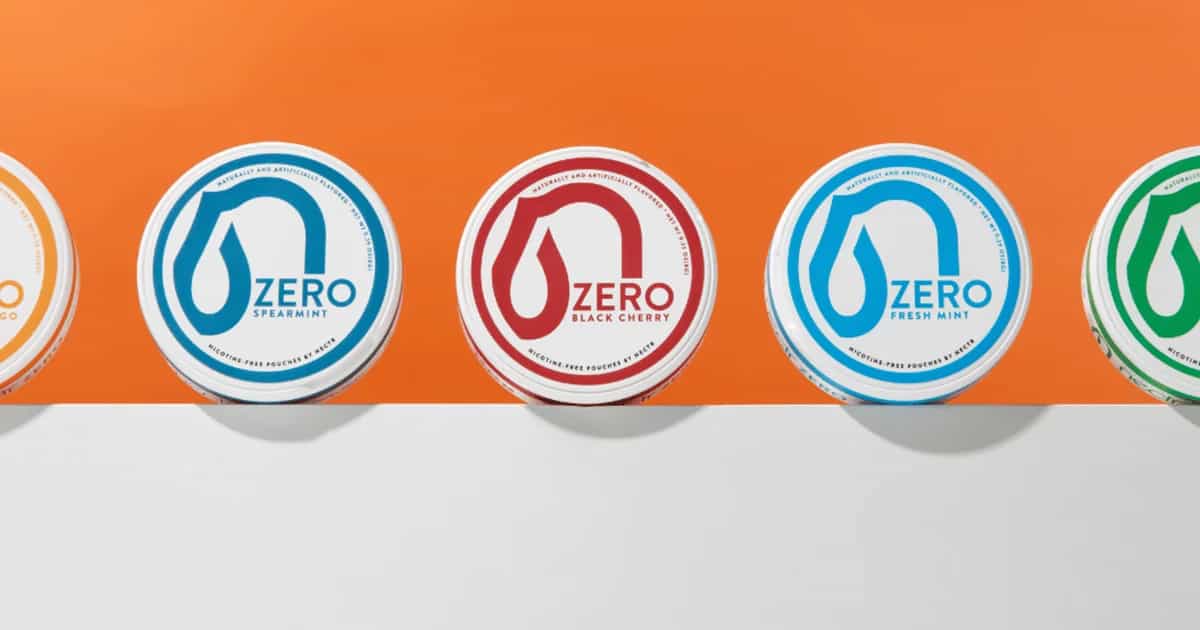
Short answer: Caffeine pouches are small, tobacco-free pouches you place between your lip and gum to absorb caffeine sublingually — no drinking, no chewing, no smoke. They deliver a fast, controlled energy boost in about 5–10 minutes, and the best ones (like Nectr) add nootropics for focus without the jitters.
What Are Caffeine Pouches?
Caffeine pouches look and feel a lot like nicotine pouches — small, white, discreet — but instead of nicotine, they're loaded with caffeine and sometimes other functional ingredients like nootropics. You tuck one between your upper lip and gum, and the caffeine absorbs through the mucous membrane (sublingual absorption) directly into your bloodstream.
This bypasses your digestive system entirely, which means two things: faster onset (5–10 minutes vs. 20–45 for coffee) and no stomach acid issues. If coffee makes you jittery or gives you heartburn, caffeine pouches may be the clean alternative you've been looking for.
How Do Caffeine Pouches Work?
The science is straightforward. The thin membrane inside your mouth is packed with capillaries. When a caffeine pouch sits against it, the caffeine dissolves into your saliva and absorbs directly into those blood vessels. It hits your brain faster than swallowing a pill or drinking an espresso because it skips first-pass metabolism in your liver.
Most caffeine pouches deliver between 25–100 mg of caffeine per pouch. For context:
- A cup of coffee: 80–100 mg
- A can of Red Bull: 80 mg
- Nectr Energy Pouch: 50 mg
- Nectr Focus Pouch: 30 mg + Cognizin® Citicoline
- A shot of espresso: 63 mg
Who Makes Caffeine Pouches?
The caffeine pouch market has exploded in 2025–2026. Here are the main players:
| Brand | Caffeine per Pouch | Key Feature | Nicotine-Free | Made In |
|---|---|---|---|---|
| Nectr | 30–50 mg | Cognizin® Citicoline nootropic | Yes | Sweden |
| Grinds | 25–50 mg | Coffee-based formula | Yes | USA |
| Mojo | ~50 mg | Functional mushrooms | Yes | USA |
| WIP | Varies | Energy + electrolytes | Yes | USA |
| Ultra | Varies | Focus + nootropic blend | Yes | USA |
| NZE | Varies | Energy + focus | Yes | USA |
Caffeine Pouches vs. Coffee vs. Energy Drinks
| Feature | Caffeine Pouches | Coffee | Energy Drinks |
|---|---|---|---|
| Onset time | 5–10 min | 20–45 min | 15–30 min |
| Calories | 0 | 0–150+ | 50–250 |
| Sugar | None | Varies | Often high |
| Portability | Pocket-sized tin | Needs cup/thermos | Can/bottle |
| Discretion | Invisible | Visible | Visible |
| Stomach issues | None | Common (acid) | Common |
| Crash | Minimal | Moderate | Often severe |
Who Uses Caffeine Pouches?
Caffeine pouches have found their biggest audience in a few key groups:
- Former nicotine pouch users — People quitting Zyn or other nicotine products who want to keep the oral habit without the addiction.
- Professionals — Office workers, developers, and anyone who needs focus without stepping away for a coffee run.
- Athletes and gym-goers — Pre-workout energy without the bloat of a drink or the sugar of a can.
- Students — Study sessions where coffee isn't practical or where they need sustained focus.
- Drivers and commuters — Hands-free energy boost without needing a cup holder.
How to Use a Caffeine Pouch
- Open the tin and grab a pouch.
- Place it between your upper lip and gum (either side works).
- Leave it in for 15–45 minutes. You'll feel a mild tingle as caffeine absorbs.
- Remove and dispose — most tins have a disposal compartment in the lid.
That's it. No water needed, no brewing, no blending. Works in meetings, on planes, at the gym, or anywhere else you need a boost.
Are Caffeine Pouches Safe?
Caffeine pouches made by reputable brands are generally safe for healthy adults. The key factors to consider:
- Caffeine dose — The FDA considers up to 400 mg of caffeine per day safe for most adults. A Nectr Energy pouch has 50 mg, so you'd need 8 pouches to hit that ceiling.
- Ingredients — Look for clean labels. Nectr pouches contain zero nicotine, zero tobacco, zero sugar, and are GMP certified.
- Oral health — Caffeine pouches do not contain tobacco and do not cause the gum recession associated with traditional dip or chewing tobacco.
If you have a caffeine sensitivity, heart condition, or are pregnant, consult your doctor before using any caffeine product — pouches included.
What to Look for When Buying Caffeine Pouches
- Transparent labeling — Exact caffeine mg per pouch, full ingredient list.
- Clinically studied ingredients — Branded ingredients like Cognizin® indicate third-party testing and quality control.
- Manufacturing standards — GMP certification matters. Nectr pouches are made in Sweden under pharmaceutical-grade standards.
- No nicotine, no tobacco — This should be obvious, but double-check. Some brands blur the line.
- Flavor quality — You'll have this in your mouth for 30+ minutes. Bad flavor = bad experience.
Start with the Nectr Caffeine Pouches collection — 50 mg caffeine, zero nicotine, made in Sweden. Or build a custom mix with the Bundle Builder and save up to 35% on your first order, then 25%.
Frequently Asked Questions
How long does a caffeine pouch last?
Most people keep a pouch in for 15–45 minutes. The caffeine absorbs within the first 10–15 minutes, but flavor can last longer depending on the brand.
Can you swallow the spit from caffeine pouches?
Yes. Unlike tobacco dip, caffeine pouch saliva is safe to swallow. No need to spit.
How many caffeine pouches can you use per day?
It depends on the caffeine content per pouch. With Nectr Energy pouches (50 mg each), staying under 6–8 per day keeps you well within the FDA's 400 mg daily guideline. Most people use 2–4 per day.
Do caffeine pouches stain your teeth?
No. Unlike coffee, caffeine pouches don't contain tannins or dark pigments that cause tooth staining.
Are caffeine pouches addictive?
Caffeine itself can create mild dependence with daily use (hello, coffee drinkers). But caffeine pouches without nicotine carry zero risk of nicotine addiction, which is a fundamentally different and more severe form of dependency.
Where can I buy caffeine pouches?
Nectr caffeine pouches are available online at nectr.energy and in 2,500+ retail locations including Walmart. Other brands are available at convenience stores, gas stations, and online.